
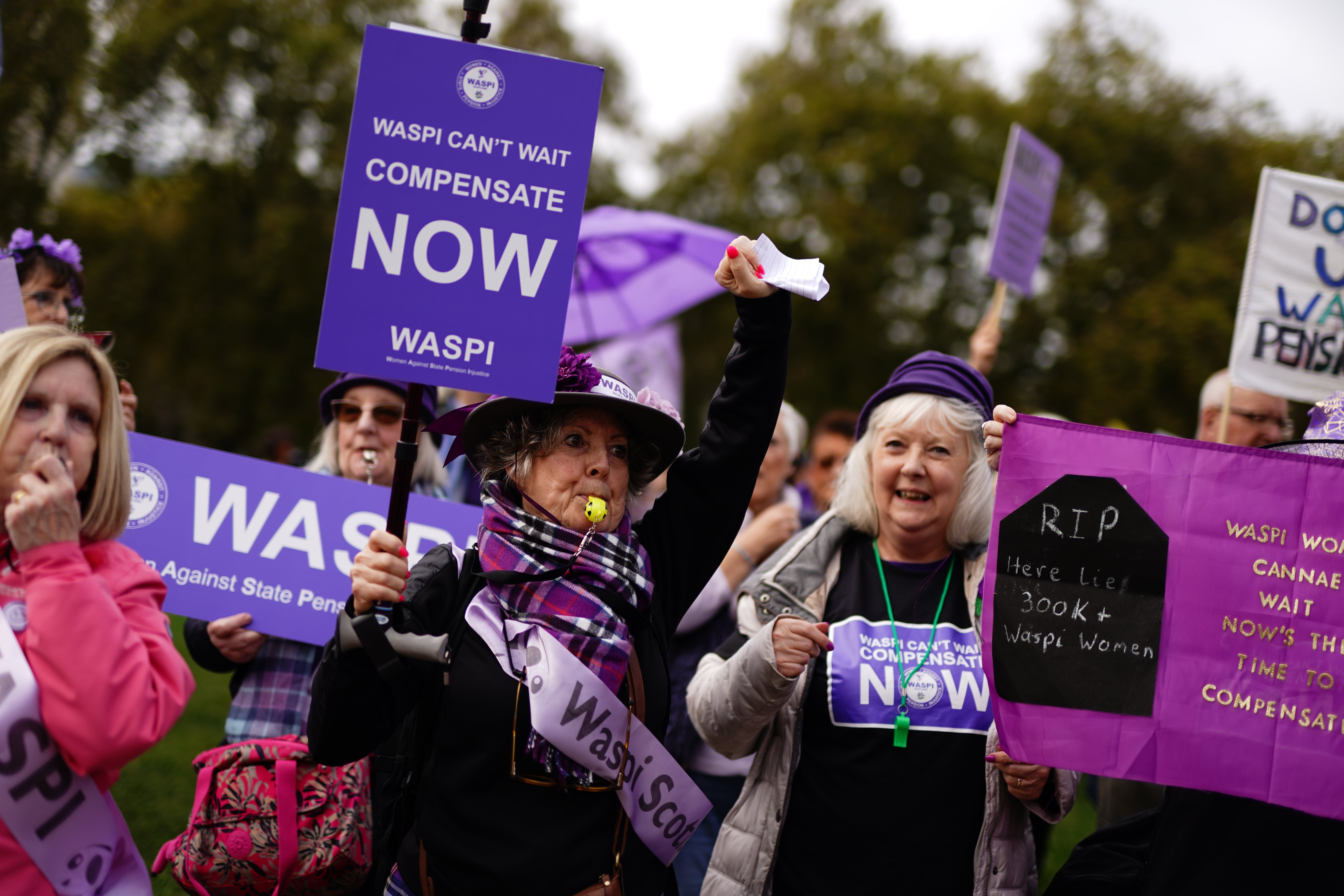
Women affected by changes to the state pension age have accused the government of treating them with “utter contempt” after ministers rejected their claim for compensation once again.
Campaigners say as many as 3.8 million “Waspi women” lost out on money because of the way in which changes to the state pension age were communicated.
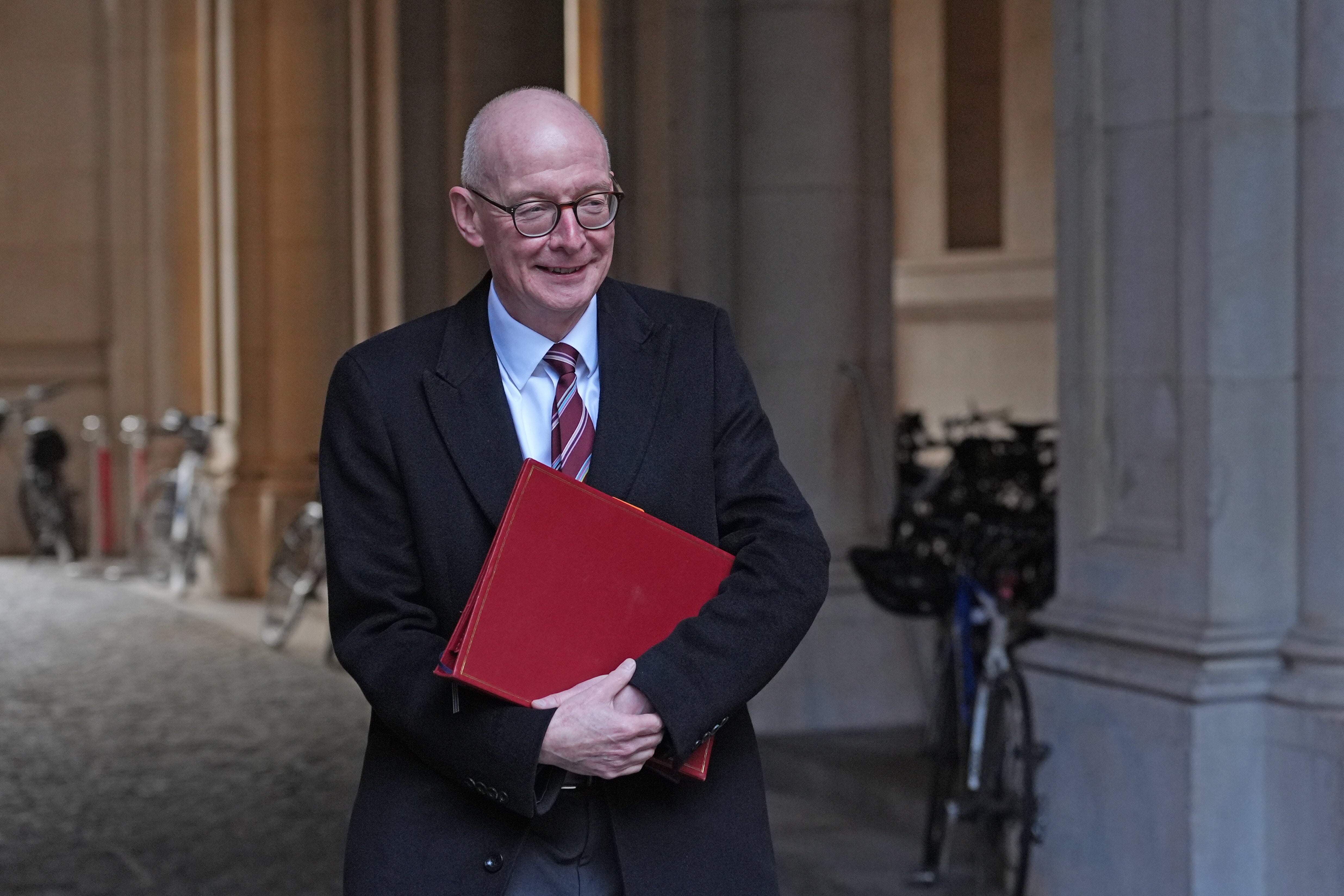
The government had previously vowed not to offer compensation, but work and pensions secretary Pat McFadden announced in November last year that the case was being reconsidered after a new document came to light. However, he told MPs today that the government had again reached the conclusion that no money should be paid.
The decision prompted a furious backlash, with Sir Keir Starmer’s own MPs hitting out, describing it as a “shameful day” for the Labour Party.
Announcing that the women concerned would not receive compensation, Mr McFadden apologised that women born in the 1950s were not sent individual letters about the changes to their state pension earlier.
But he warned that a flat-rate compensation scheme would have cost more than £10bn.
He told the Commons there were “legitimate and sincerely held views” about whether the decision to accelerate the equalisation of the state pension age “was the right thing to do or not”. But the issue of compensation is based on “how changes to the state pension age were communicated”, not past policy decisions, he said.
He also pointed to a conclusion reached by the Parliamentary and Health Service Ombudsman (PHSO), “that women did not suffer any direct financial loss from the delay”.
Women Against State Pension Inequality (Waspi), which has long campaigned for compensation, accused the government of treating 1950s-born women with “utter contempt”, branding the decision a “disgraceful political choice by a small group of very powerful people who have decided the harm and injustice suffered by millions of ordinary women simply does not matter”.
The group also said it was taking legal advice and that all options “remain on the table”.
But MPs told the government the decision was “frankly wrong” and would feel like a “punch in the stomach” to those affected.
Labour’s former shadow chancellor John McDonnell told The Independent: “The government shouldn’t underestimate the anger there will be amongst large numbers of women who will feel betrayed. The refusal to accept the ombudsman’s findings of the injustice these women suffer, and adopt even the ombudsman’s moderate proposals, will be seen as an appalling snub to women.
“These women will recall the MPs, including current government ministers, who appeared on Waspi platforms before the election promising support.”
The Labour MP for Alloa and Grangemouth, Brian Leishman, said it was a “shameful day for a great party” and an “absolute disgrace”, while Liverpool Riverside MP Kim Johnson told The Independent that the decision amounted to “nothing less than blatant contempt”.
Labour’s Rebecca Long-Bailey, the chair of the all-party parliamentary group on state pension inequality for women, said the decision was “frankly wrong”, while her fellow backbencher Andy McDonald added that it “will be a very bitter pill to swallow” for those affected.
While in opposition, senior Labour figures said compensation should be paid to women whose retirement plans were hit when their qualifying age for the state pension was increased by six years, from 60 to 66.
The Tories accused the government of performing a “series of handbrake turns” and claimed that it could have compensated the women by scrapping its controversial Chagos Islands deal or reforming welfare.
Shadow Treasury minister Mark Garnier said: “Before getting into government, it seemed that Labour MPs did think that an injustice had been done. No wonder, therefore, that the Waspi women who were promised so much are so angry. The people who used to stand beside them have turned against them.
“If the government really believed that these women had faced a great injustice, they would have found a way to compensate them,” he added.
Steve Darling, the Liberal Democrats’ work and pensions spokesperson, accused the government of putting Waspi women’s pensions in the “‘too hard to do’ file”, and said that many would feel the result “as if it were a punch in the stomach”.
In November, Mr McFadden said his department would review the previously announced policy not to compensate the women. He said that “evidence” had emerged that had not been shown to his predecessor, Liz Kendall, and that it had to be considered.
In 2023, the PHSO released the findings of a five-year investigation and, in a damning assessment of the Department for Work and Pensions’ handling of the issue, said there had been “maladministration”.
The report accepted that the department’s poor communication had caused some women to lose “opportunities to make informed decisions”, though it made clear that it did not believe this had led to “direct financial loss”.
However, the then work and pensions secretary, Ms Kendall, rejected the ombudsman’s recommendation that those affected be awarded between £1,000 and £2,950 each.


