
Yahya Abdul-Mateen II is formidable in Netflix’s take on the thriller novel Denzel Washington turned into a noughties action movie. But it’s a great lesson in why shows don’t normally have a glum high-octane hero.
Who doesn’t love a thriller in which a lone wolf takes down an all-powerful criminal network? Jack Reacher, Ethan Hunt, whatsisname from The Night Agent – however adverse the circumstances, these capable chaps will prevail. Hand-to-hand combat against a highly trained ninja henchman? No problem. Breaking into a phenomenally secure facility, stealing the valuable thing, then striding out again? Easy. Defeating a warehouse full of men with Kalashnikovs, armed only with sunglasses and string, all while rescuing a screaming female civilian? All in a day’s work.
These yarns are healthy, silly fun and we enjoy them. But, Netflix’s new six-parter Man on Fire asks, what if we kept the core idea but made it less silly and fun, more sad and serious? Wouldn’t that be even better? Well, it seems it wouldn’t be a complete disaster, but in this case it makes life more difficult for everyone, the viewer included.
This poor man has been on fire for some time, beginning with AJ Quinnell’s 1980 novel about an alcoholic ex-mercenary who is hired to protect the young daughter of a rich Italian family, becomes a father figure to her despite his natural reticence, then embarks on a guilt-crazed revenge spree after the mafia kidnap and kill her. More or less the same happened in the 1987 film of the same name, with Scott Glenn playing the lead, John Creasy. In the 2004 adaptation, with Denzel Washington, Creasy was a former CIA man; the location was moved to Mexico City and the child survived.
In 2026, Creasy is not on the booze, but rather haunted by a special forces mission that went badly wrong years ago. Post-traumatic stress disorder has left him unemployed, alone and so racked with anguish that he tries to kill himself soon after we meet him. A kind former colleague steps in and invites him to Rio de Janeiro to rebuild his career. In this version of the tale, the colleague’s daughter, Poe (Billie Boullet), becomes Creasy’s emotional salvation; she is a young adult rather than a child and she is with Creasy as he goes after the bad guys whose bomb killed her family. But the bones of the narrative are the same. Tough guy, surrogate daughter, elaborate revenge scheme, chance of redemption.
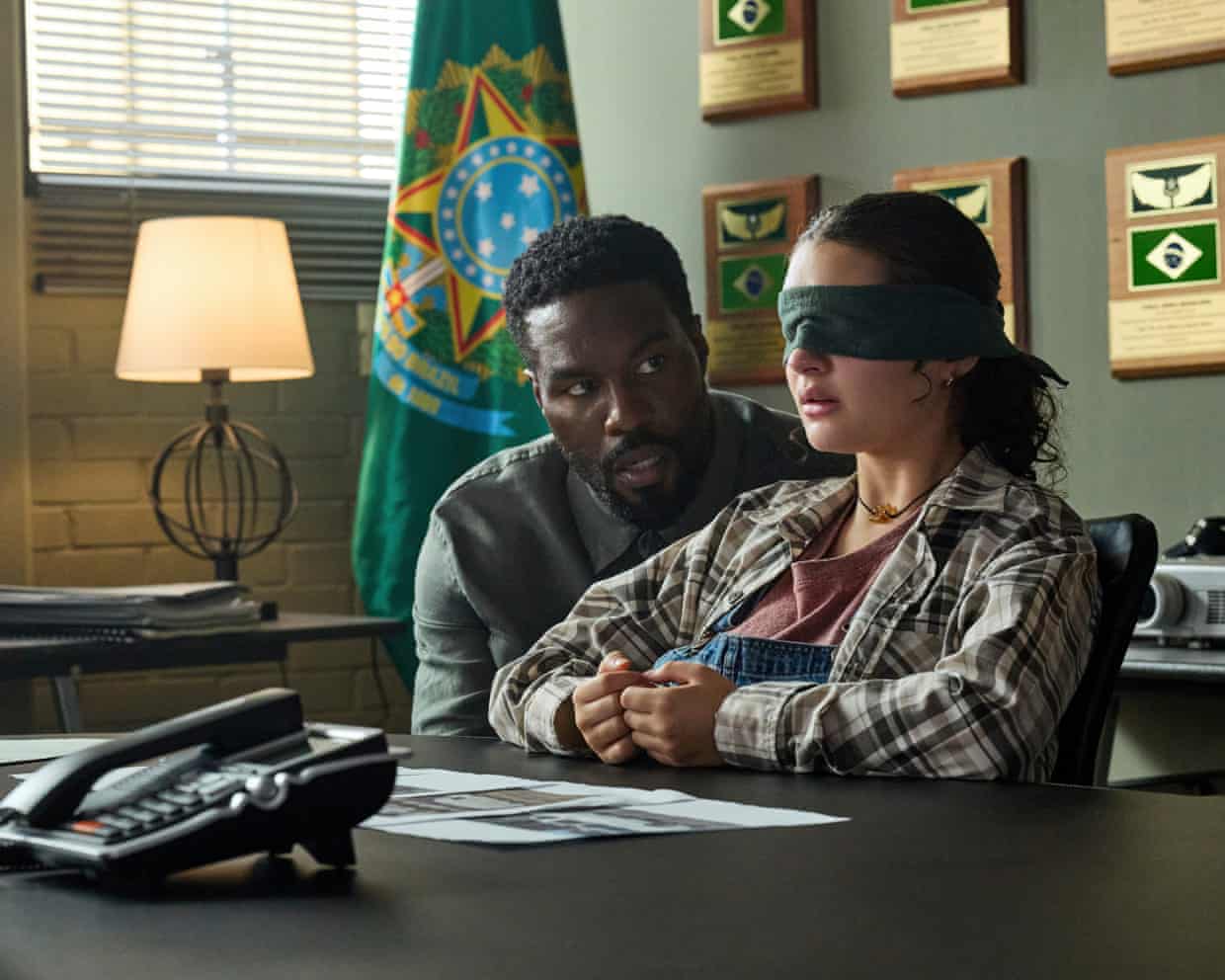
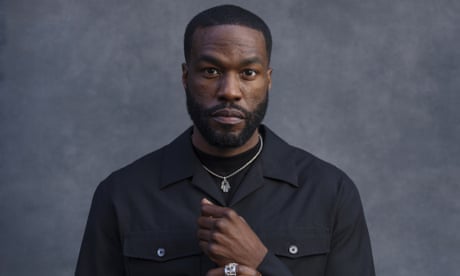
Yahya Abdul-Mateen II is the new Creasy – and his presence is formidable. He has the physical profile required, combined with a stillness in his bearing and an economy in his movement that make him believable as a man who can be trusted never to lose a fistfight. Although his Creasy is unwaveringly stern, he’s not inscrutable. The pain of his past is etched by Abdul-Mateen into every line; the actor’s performance suggests he should branch out from elevated comic-book material (he has previously been in Aquaman, Watchmen and Wonder Man) and explore more straight drama.
To some extent, that’s what Man on Fire asks him to do, as it’s not a non-stop cavalcade of action: it regularly relents for extended, talky scenes concerning Creasy’s instability or Poe’s grief. Sometimes the combination is powerful, particularly when Creasy is interrogating a hapless bad guy for information and we truly believe he has it in him to do awful things. In an early scene with a hog-tied foot soldier who is sitting on crucial intel, our man’s imaginative use of a car battery will make you wince, flinch and clench.
There’s a good reason, though, for the way most unstoppable-avenger thrillers sketch their protagonist’s dark side lightly, or undermine it with gags. It means they can get away with action set pieces that are, objectively, absurd. Despite its gloomy demeanour, Man on Fire still has Creasy drive a car along a runway then leap from it, through air thick with machine-gun bullets, into a moving plane, before disarming the assassin who’s on the loose in the cabin and completing the takeoff himself in lieu of the murdered pilots. It’s still ludicrous; he just looks glum while doing it.
As his mission takes him into the Rio favelas and on to the more exclusive places where the big bosses hang out, Creasy gradually acquires a gang of misfit accomplices whose abilities are nebulous and who will need to surpass themselves if he’s to triumph. They look like the cast of a light heist caper, but – as they help Creasy beat impossible odds by breaking into a maximum-security prison and then a hospital – they’re obliged to keep straight faces. Man on Fire’s glowering intensity is, however, hard to take seriously.
An incredible self-own
In 1936, John Scott, son of the late Guardian owner and legendary editor CP Scott, did something unheard of for a media heir: he gave up his stake for the greater good.
After inheriting the newspaper, Scott renounced all financial benefit – bar his salary – in the Guardian (worth £1m at the time and around £62m today) and passed ownership over to the newly formed Scott Trust. The Trust would evolve to have one key mission: to secure the financial and editorial independence of the Guardian in perpetuity.
That means the Guardian can’t be bought. Not by private equity, not by a conglomerate, and definitely not by a billionaire looking for a political mouthpiece. So here are three good reasons to make the choice to support us today.
1. Our quality, investigative journalism is a scrutinising force at a time when the rich and powerful are getting away with more and more.
2. We are independent and have no billionaire owner controlling what we do, so your money directly powers our reporting.
3. It doesn’t cost much, and takes less time than it took to read this message.
Our independence means we can say what we want, report on who we want, challenge who we want, and stand up at a time when others are sitting down. For our annual campaign focusing on the indispensable role of independent journalism in democracy we have an ambitious goal: 60,000 reader contributions over the next three weeks. Can you help us hit it? Defend the free press. Support us now.


