
The case of 13-month-old Preston Davey has taken another significant turn, as a coroner has warned that public bodies involved in the toddler’s care may need to face further scrutiny. The warning comes after it was revealed that there are still unanswered questions surrounding the actions and decisions of various agencies before Preston’s tragic death.

Preston died in July 2023, just four months after he had been adopted. His death shocked the public after an eight-week criminal trial revealed the horrific abuse he suffered at the hands of his adoptive fathers, Jamie Varley and John McGowan-Fazakerley. The pair were convicted for their roles in the toddler’s murder, but authorities are now examining whether more could have been done by public services responsible for safeguarding him.
An inquest into Preston’s death, which was opened shortly after he was killed, is now expected to resume next autumn. Alan Wilson, the senior coroner for Blackpool and Fylde, said there was “sufficient reason” to reopen the proceedings because certain actions and failures by public authorities may require a detailed public examination.
Speaking at Blackpool Coroner’s Court, Mr Wilson said he believed there were “acts and omissions of public authorities that need to be scrutinised” during a hearing where Preston’s family would be able to participate. He described the potential inquest as a “wide-ranging inquiry” that could examine the decisions made by different organisations involved in Preston’s life before his death.
The coroner explained that a final decision on whether the inquest will proceed will be made after legal representatives for several public bodies have been given the opportunity to provide their submissions. He said one of the key considerations was whether the issues that could be raised during an inquest had already been fully examined during the criminal trial.
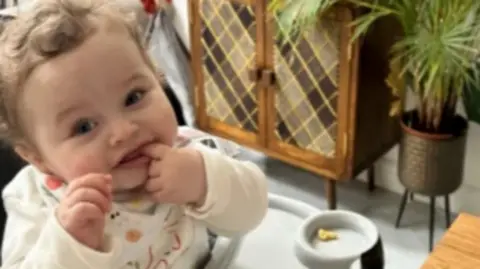
Before his death, Preston had been known to a number of professionals, including medical workers, social services staff, and welfare officials. The court was told that he had been seen by a “battery of professionals” during his short life and had also been taken to Blackpool Victoria Hospital on three separate occasions before he was murdered.
Concerns had previously been raised after Preston was taken to hospital with injuries. Police officers attended and safeguarding concerns were reported, but no further action was taken at the time. These events are expected to form part of the wider examination into whether agencies responded appropriately to warning signs before Preston’s death.
The Oldham Safeguarding Children Partnership has also restarted its review into the circumstances surrounding Preston’s death. The review had been paused while the criminal proceedings were ongoing but has now resumed. However, it is not expected to be completed until January 2027, meaning the inquest is unlikely to take place before then.
The potential inquest will also consider which individuals and organisations should have legal representation if the proceedings move forward. During the latest hearing, Preston’s biological mother Sara Davey and grandmother Debbie Davey were represented by lawyers, as was his biological father Gary Nolan.
The hearing also examined the events that led to Preston entering the care system. Preston was born while his mother was in custody after she was refused a place in a prison mother-and-baby unit. Following a court order obtained by Oldham Council, he was removed from her care and initially placed with temporary adoptive parents before later being adopted by Varley and McGowan-Fazakerley.
The criminal trial revealed the devastating circumstances of Preston’s final months. Prosecutors said the toddler had been treated as a “plaything” by his adoptive fathers and had suffered repeated physical and sexual abuse before his death. The court heard that the abuse was ongoing and severe, resulting in the tragic loss of a young child who had been placed into their care.
Preston was only 13 months old when he was murdered. His death has since raised serious questions about the systems designed to protect vulnerable children and whether opportunities to intervene were missed.
As the coroner considers whether the inquest should resume, the focus is now extending beyond the actions of the convicted offenders to the wider network of agencies that had contact with Preston before his death. If the inquiry goes ahead, it could provide an opportunity to examine the decisions made by public bodies, identify any failures, and determine whether lessons can be learned to prevent similar tragedies in the future.
The coroner has stressed that the purpose of the proceedings would be to investigate the circumstances surrounding Preston’s death and assess the responsibilities of those involved. For Preston’s family, the possible reopening of the inquest represents a chance to seek further answers about what happened and why concerns raised before his death did not lead to stronger intervention.


