
Welsh stand-up star Rhod Gilbert has shared a strikingly honest insight into life after cancer treatment, revealing that even though he is in recovery, some effects of his battle with the disease remain very real.
Gilbert, 57, who was diagnosed with stage-four head and neck cancer in 2022, underwent intensive therapy — including surgery, chemotherapy and radiotherapy — at the Velindre Cancer Centre in Cardiff, where he is also a long-time supporter.
Although the comedian was declared all-clear and has returned to performing and public life, Gilbert says he still experiences ongoing physical challenges linked to his treatment. In recent comments, he explained that he continues to deal with issues affecting his neck, throat and mouth, a reminder that the toll of cancer extends beyond the immediate fight. 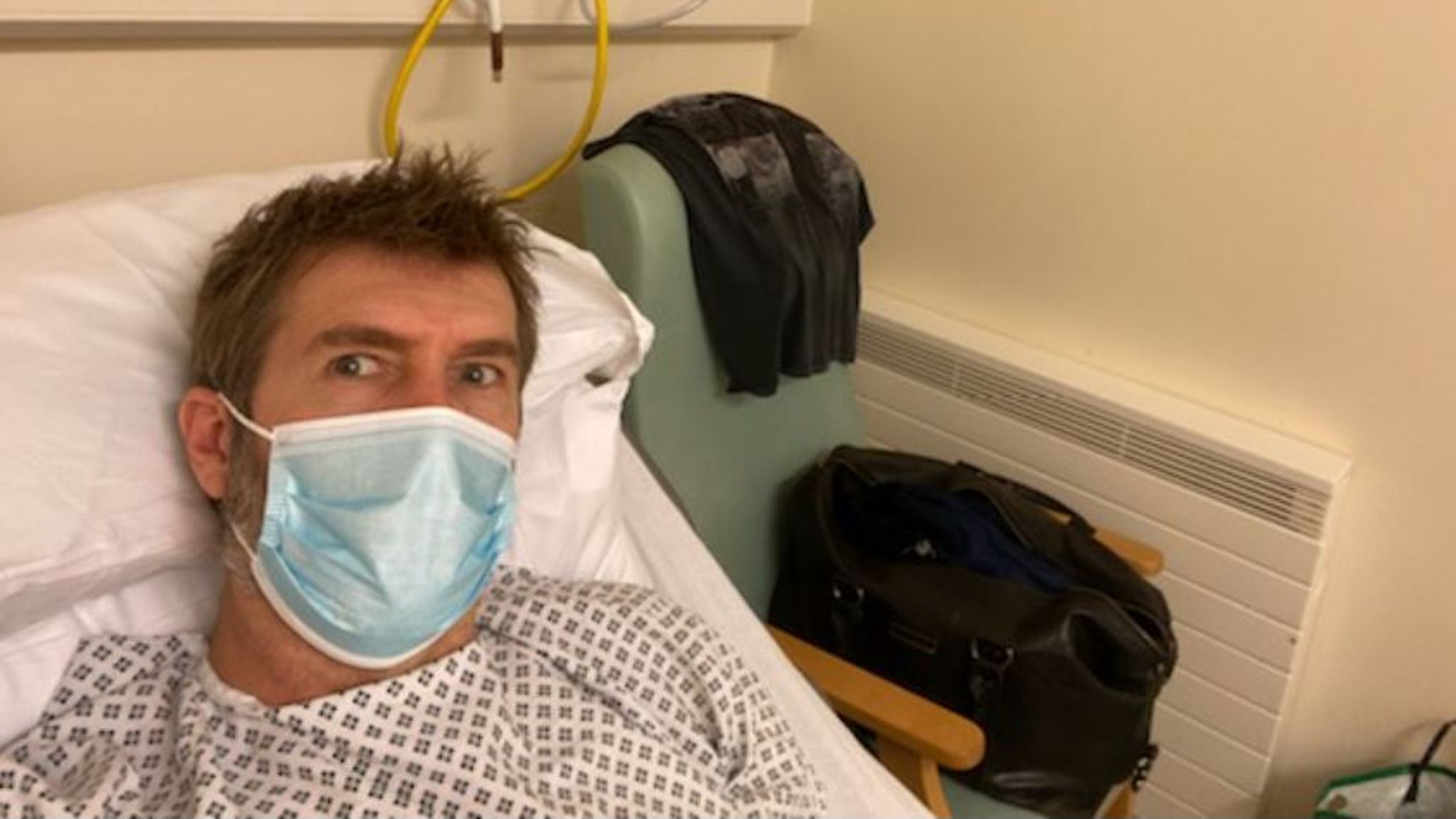
“Even now, years after treatment, there are some things that just haven’t returned to normal,” Gilbert said. While he has regained much of his strength and mobility, he noted that everyday sensations — like taste — can still feel “odd” or altered, especially in the throat and mouth area. 
The comedian’s openness reflects a growing conversation among cancer survivors about the long-term impact of treatment. Many patients find that even after successful therapy, side effects can linger — from changes in taste and swallowing to discomfort in areas targeted by radiation. Gilbert’s experience highlights that recovery is not always a linear process, but one with subtler challenges.
Despite these lasting effects, Gilbert remains optimistic and active. He has continued to tour, appear on television specials and support charity work, including appearances tied to Stand Up To Cancer. Fans and fellow performers alike have praised his resilience and candidness about life after cancer.
Gilbert’s journey reminds the public that surviving cancer is not just about reaching remission — it’s about navigating the ongoing physical and emotional terrain that follows. His willingness to speak openly about these continued side effects helps bring awareness to the often-unseen realities many survivors face.


