
A newly-elected Reform councillor has revelled in his party’s unexpected victory in what was once a Labour heartland in the north east.
Ian McKinley stormed to victory to claim a seat on Sunderland City Council, which was previously held by Sir Keir Starmer’s party.
The seat lies close to the region of Sunderland South, over which Education Secretary Bridget Phillipson presides.
Joining Martin Daubney to discuss his win in Hetton ward on Thursday with 1,270 votes, Mr McKinley attributed his success to voters’ apathy towards the tried-and-tested governance that has “let them down for years”.
In the local contest, independent candidate David Geddis was second with 689 votes. The turnout remained low at around 29 per cent.
The election was originally triggered following the death of Claire Rowntree, who served as a Labour ward councillor and former deputy council leader.
Meanwhile, the Reform Party received more than 45 per cent of the vote share in an unprecedented success for the local party.
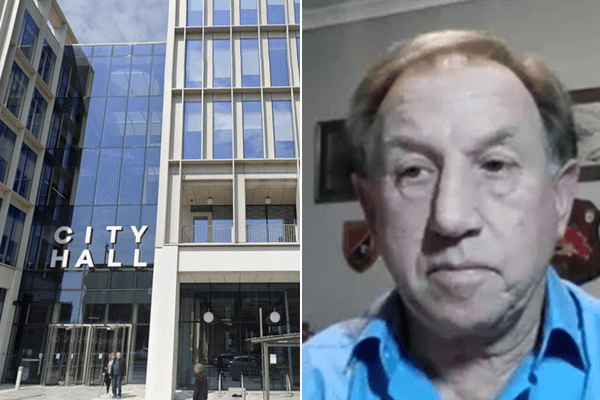
“We’re really ecstatic about the results,” Mr McKinley beamed. “The surprise is enormous. Labour has been here forever.”
From the campaign trail, the new councillor reported historic Labour voters denouncing Sir Keir’s party, declaring “never again”.
“There’s general apathy that you’ve seen in the past with people coming out to vote. The actual numbers that turned out was over 29 per cent.
“It might not sound a lot to some people, but for a by-election, that is incredibly high.”

“The team got together and we really did motivate people to say that this is worth coming out to vote for, and they have done in great numbers.”
It is the first time Reform UK has directly nabbed a seat on the city council, granting the party one out of 75 seats on the authority.
But Martin asked whether the contest was merely another local election or if it was locals expressing their dissatisfaction with central Government, as many local contests are.
“It’s a local election, but generally speaking, it’s dissatisfaction with everything. It goes much further. Local government really aren’t doing what they want them to do.
“These are the Coalfields. These are people who have been let down for decades by all the Governments that have been around here for some time now.
“With Labour coming in only a year and a half ago, they expected change and it hasn’t happened.
“And when you contact for support in the local council, there are no answers. So it is a mixture. And it’s national. And that definitely is the major problem here.”
Upon his victory, Mr McKinlay explained that he stood for council because he “didn’t like what was happening with the country” and that residents needed someone to trust.
He said: “It’s very divided at the moment, I think the Coalfields have got a great spirit inside, they are people that you’re not going to knock the pride out of.
“But they have been knocked down, and I think now they need a bright light to look forward to, somebody there to fight their corner and start getting things done.”
Since the local elections where Reform stormed to power across England, Mr Farage’s party has won 59 seats, while Labour has only won 14.


