
In August 2002, the murders of two ten-year-old schoolgirls, Holly Wells and Jessica Chapman, shocked the United Kingdom and left a lasting scar on the nation. The man responsible, Ian Huntley, a school caretaker from Soham, was later convicted and sentenced to life imprisonment with a minimum term of forty years. More than two decades later, Huntley’s death in prison has stirred complex emotions among those connected to the case, including the senior police officer who led the investigation.
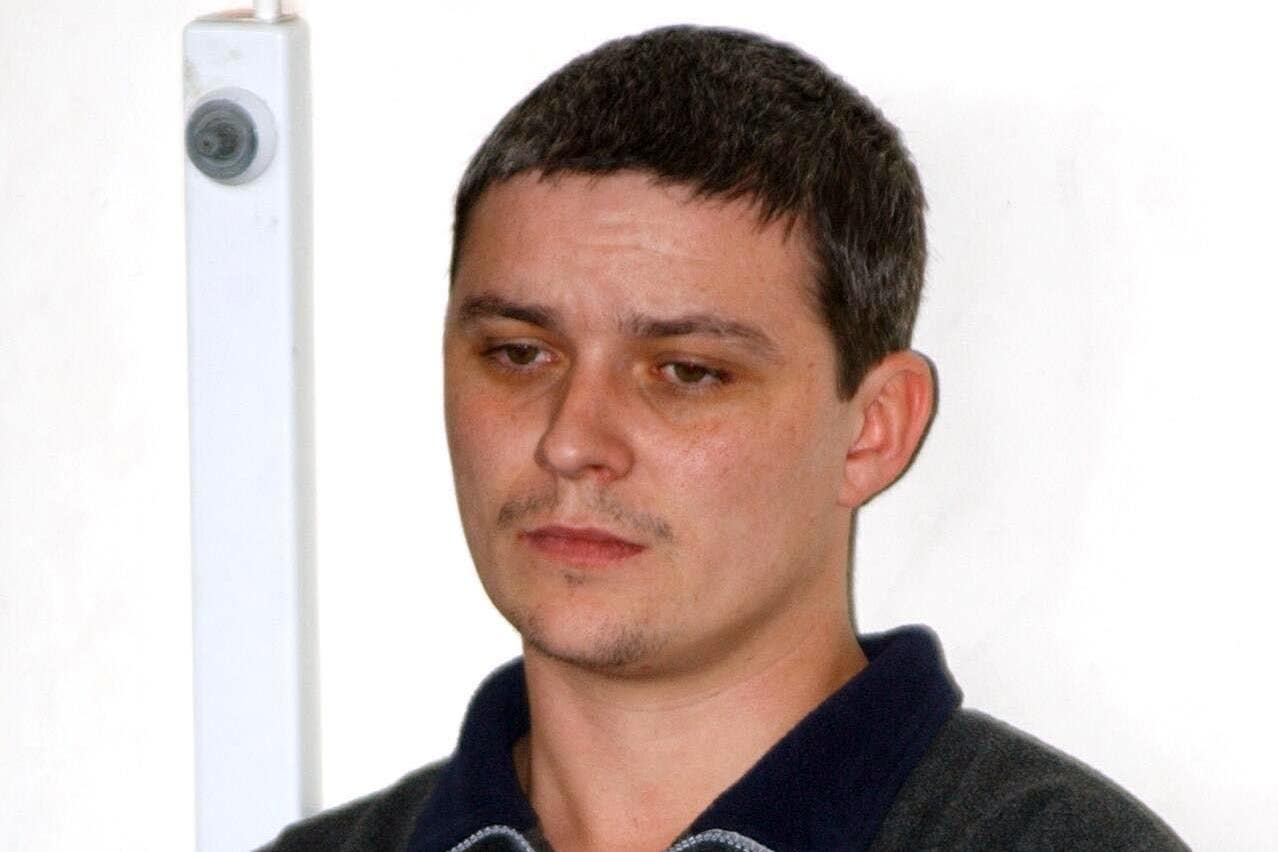
Chris Stevenson, a retired detective chief superintendent who headed the case against Huntley, recently expressed that he has “mixed feelings” about the killer’s death. Huntley, aged 52, died in hospital after reportedly being attacked inside the prison where he was serving his sentence. The assault is said to have taken place in a waste management workshop, where he was struck with a three-foot spiked metal pole. The injuries he sustained were severe, including damage to his brain and skull, and he remained on life support for nine days before doctors eventually withdrew treatment.
Stevenson, now 76 years old, said that although Huntley’s death closes one chapter of the story, it also leaves unanswered questions that may never be resolved. For years, Stevenson had hoped that Huntley would spend the rest of his life behind bars, forced to confront the consequences of his actions every day. In Stevenson’s view, lifelong imprisonment would have been a fitting punishment for the horrific crimes committed in 2002. However, his greatest disappointment was that Huntley never fully revealed the truth about what happened to the two girls on the day they disappeared.
On the afternoon of August 4, 2002, Holly Wells and Jessica Chapman left their homes in Soham to buy sweets. When they failed to return, their parents reported them missing, prompting a massive search effort involving police officers, volunteers, and investigators from across the country. The disappearance of the two best friends quickly attracted nationwide attention and media coverage as the search continued for days without success.
Within a short period, police began to focus their attention on Ian Huntley, who was working as a school caretaker at the local secondary school. Huntley had been among the last people to see the girls alive. Despite his claims of innocence, investigators grew increasingly suspicious as inconsistencies appeared in his statements. Thirteen days after the girls vanished, the burned bodies of Holly and Jessica were discovered in a remote ditch, confirming the worst fears of their families and the public.
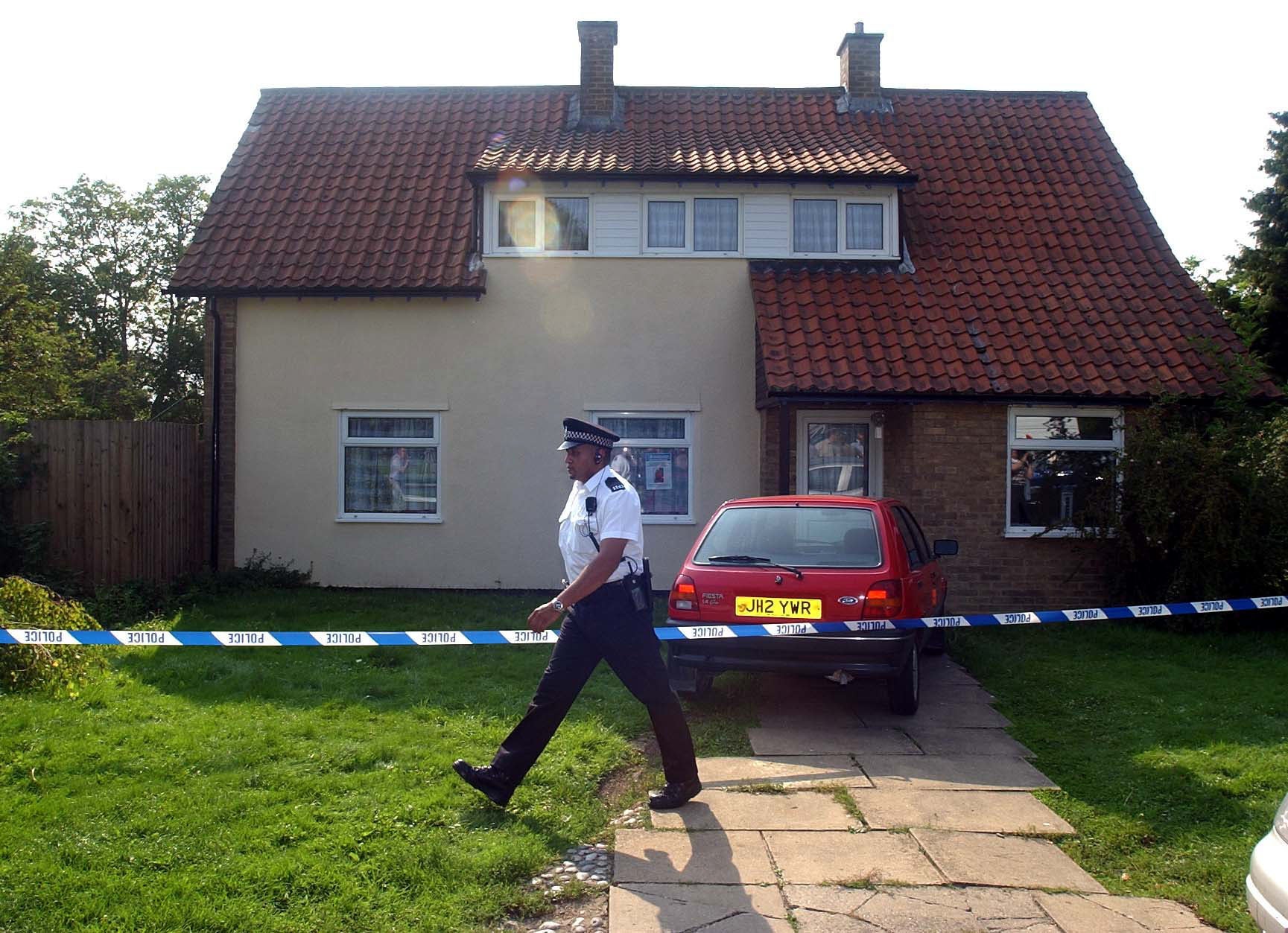
Huntley was arrested and later stood trial at the Old Bailey in 2003. During the proceedings, he offered an explanation that many people found difficult to believe. He claimed that Holly had accidentally drowned in his bathtub and that he had then killed Jessica by covering her mouth to stop her from screaming. According to his version of events, the situation had spiraled out of control, leading him to panic and dispose of the bodies. However, prosecutors argued that his account was not credible and presented evidence that convinced the jury of his guilt. Huntley was ultimately convicted of the murders and sentenced to life imprisonment.
Another key figure in the case was Huntley’s girlfriend at the time, Maxine Carr. Carr worked as a teaching assistant and initially provided Huntley with a false alibi during the investigation. She told police that Huntley had been with her when the girls disappeared, a claim that was later proven to be untrue. As a result, Carr was convicted of perverting the course of justice and received a prison sentence for her role in attempting to mislead investigators.
Huntley’s time in prison was marked by tension and several previous attacks by other inmates. The notoriety of his crimes made him one of the most hated prisoners in the United Kingdom. According to reports, the man suspected of carrying out the fatal assault is Anthony Russell, a convicted triple killer who was given a whole life order in 2021 for the murders of Julie Williams, her son David, and the rape and murder of Nicole McGregor, who was pregnant at the time of her death. Authorities have not yet confirmed all details of the incident, and a police investigation into the circumstances surrounding Huntley’s death is ongoing.
The reaction to Huntley’s death has been intense and emotional, particularly among those personally connected to him. His daughter, Samantha Bryan, publicly stated that she does not want her father to have a funeral or even a memorial stone. She believes that any grave or ceremony could attract individuals who might glorify or become fascinated with his crimes. Bryan, who learned that Huntley was her father when she was fourteen years old, expressed strong feelings about the matter. She said there was nothing about his life worth celebrating and that he did not deserve the dignity of a funeral.

Bryan’s mother, Katie Bryan, had met Huntley when she was only fifteen years old. The revelation of Huntley’s identity had a lasting impact on their family. Samantha Bryan has spoken openly about her belief that her father was an evil man and that he should not receive the kind of burial traditionally reserved for people who lived honorable lives.
Meanwhile, Huntley’s own mother, Lynda Richards, was reportedly present at the hospital in Newcastle when doctors removed him from life support at the Royal Victoria Infirmary. Her presence at his bedside highlighted the complicated human emotions surrounding the case, even after so many years.
Authorities have confirmed that a full investigation into the attack is continuing. Durham Police stated that officers are preparing a file for the Crown Prosecution Service, which will determine whether further charges should be brought in relation to the incident. Even with Huntley’s death, many people connected to the case continue to feel that the full truth about what happened in August 2002 may never be known.


