
Georgie Wileman: ‘Anyone Who Thinks Endometriosis Is Just A “Painful Period” Needs To Watch My BAFTA-Winning Film’
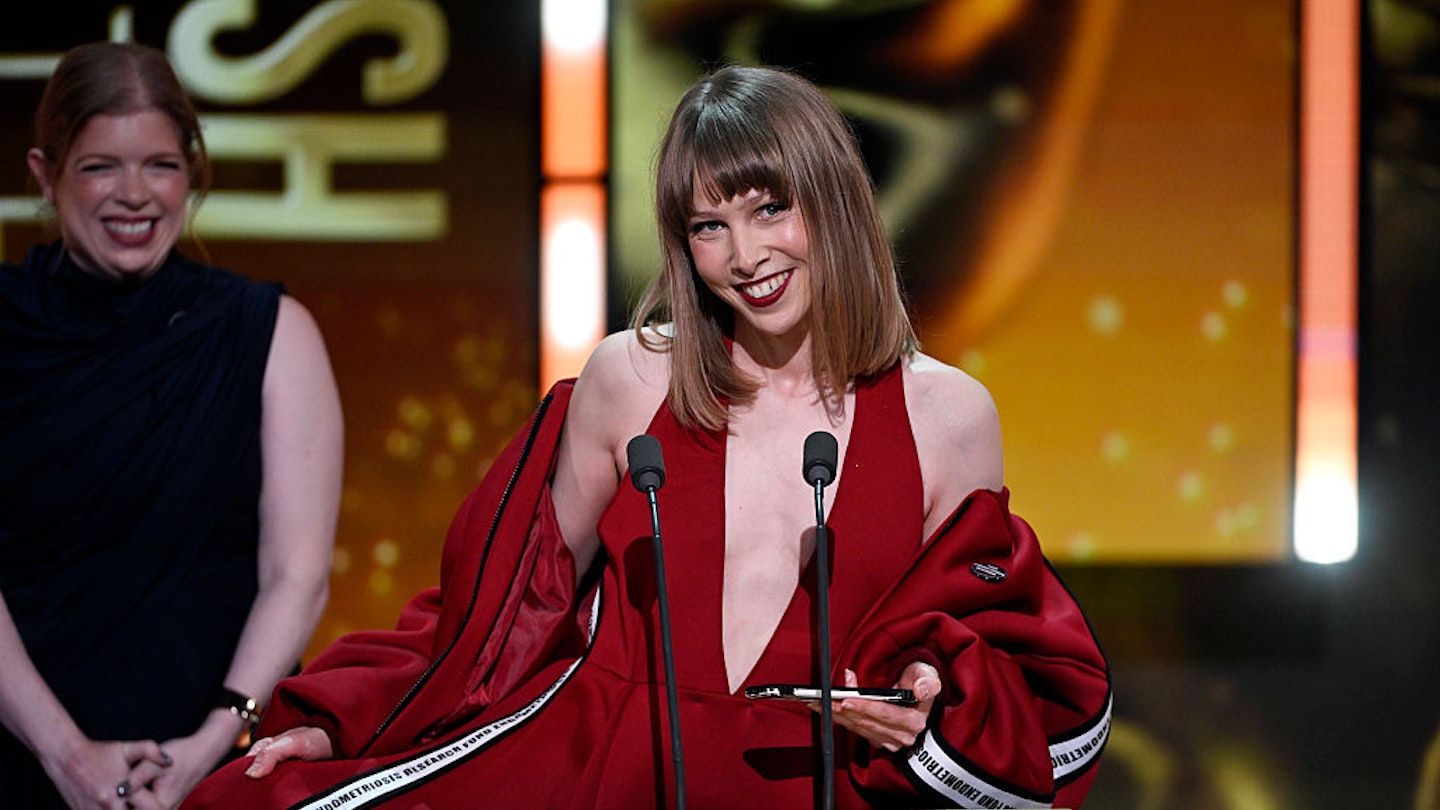
Accepting her BAFTA for her short film, This Is Endometriosis, Georgie Wileman was cheered on by a roomful of A-listers. Wearing a symbolic blood-red gown emblazoned with ‘fund endometriosis research’, designed by her brother Ralf Wileman, she says, ‘It was surreal and beautiful. Knowing how much this win would mean to the [endometriosis] community made it an emotional moment.’
Within 24 hours, Wileman was at home, doubled over in pain. This is the reality of living with endometriosis, a life-changing condition where cells similar to the lining of the uterus grow elsewhere in the body. Symptoms are often mischaracterised as ‘painful periods’, but as Wileman points out, ‘It’s a full body disease. It’s important for people to understand the severity of the pain – it’s widely considered to be worse than childbirth.’ More than 190 million people live with this disease globally, but shockingly it still takes an average of eight to 10 years to be diagnosed in the UK.
‘I was bed-bound for three months when I was 13, when it first got really bad,’ Wileman says. ‘I wasn’t believed for a long time, and it took me a long time to even believe myself. I was just so angry at my body for not working.’ Despite being in and out of a wheelchair, she wasn’t formally diagnosed with endometriosis until she was 26 – as well as its ‘sister disease’, adenomyosis, when she was 29 – resulting in a hysterectomy for adenomyosis and seven surgeries so far for endometriosis.
In 2020, enraged by years of being gaslit by medical professionals and seeing the condition misrepresented in the media, she decided to make a film about it. ‘It started as a photographic project, which I know meant so much to so many people because it was the first time our experiences were being accurately represented,’ says Wileman. ‘But there’s only so much a photograph can show.’
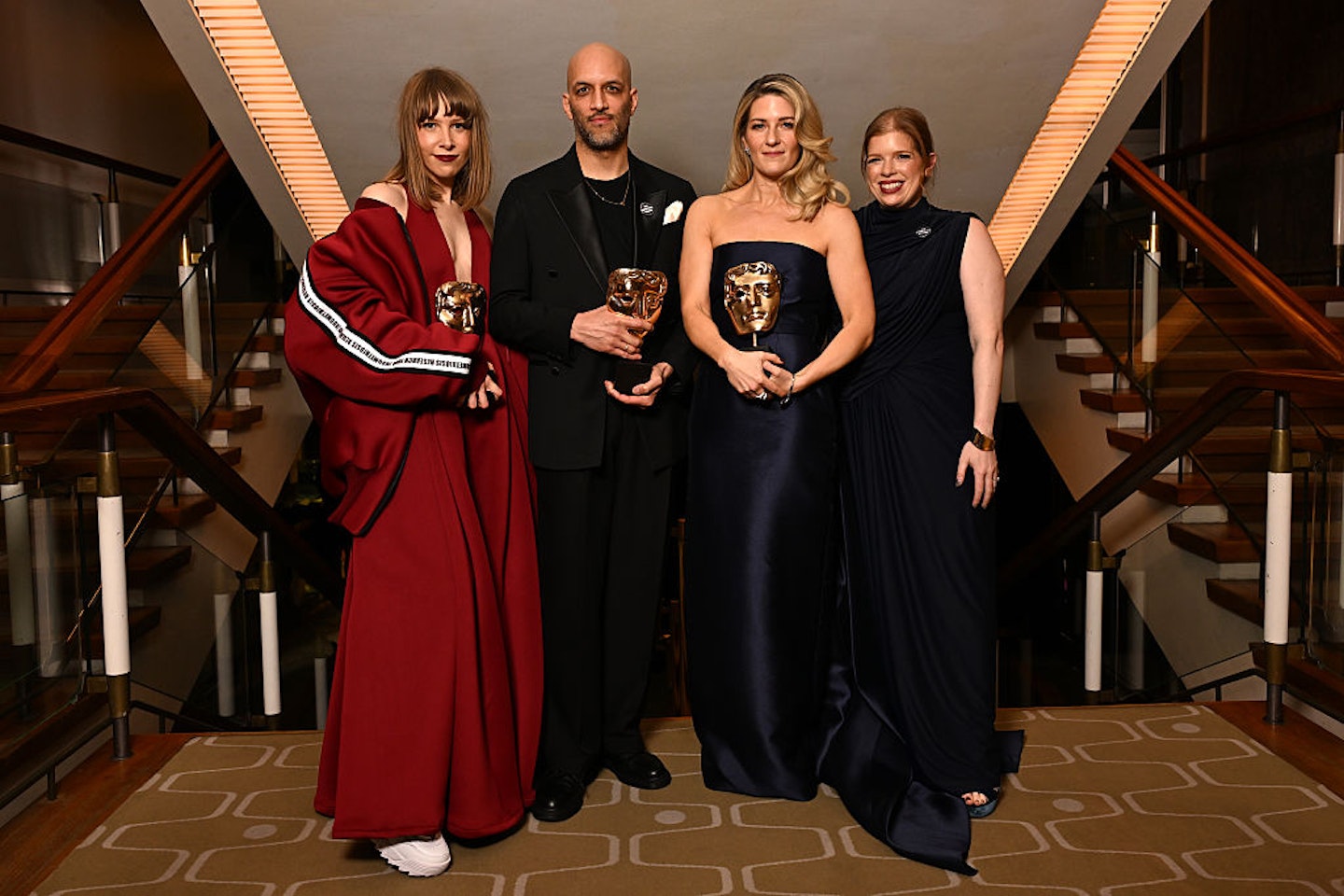
The BAFTA-winning result, made in collaboration with Matt Houghton, Harriette Wright and Lauren Frankfort Meltzer, all volunteers, took four years to make. ‘The pain and changing state of my health really dictated the film’s schedule and what it ultimately became,’ she explains. ‘It shows that cyclical nature of the pain. The times when you think you’re doing OK, and you have hope, then it crashes back down again.’
The intention behind the film is simple: to spread awareness, demand better funding for research into the condition and for symptomatic pain to be taken seriously. ‘I’ve developed complex post-traumatic stress disorder because of my medical experiences,’ Wileman says. ‘I even get PTSD at the dentist now. I’m given misinformation about endometriosis in hospitals and ambulances all the time and I have to try to correct them.’
Research shows around 50% of endometriosis sufferers have contemplated suicide. ‘A lot of that is to do with the severity of the pain, but more of that is not being believed and feeling alone. And it’s mad that we feel alone because there are 190 million people living with this disease around the world.’
Despite the fact there are a similar number of people living with endometriosis as there are with diabetes, the condition is staggeringly under-researched and a cure has yet to be found. Wileman hopes her BAFTA win will open doors. ‘We have so many future plans for the This Is Endometriosis movement. We just want to keep spreading the word.’


