
When forbidden affairs and betrayal intertwine to create a chain of devastating tragedies, few stories grip the soul quite like Love & Death. Don’t dismiss this as just another casual true-crime drama. This HBO/Max miniseries (now trending heavily across platforms including Netflix in various regions) peels back the layers of a real murder case that once shook an entire Texas community to its core. The strange, magnetic chemistry between Elizabeth Olsen and Jesse Plemons drags viewers into a labyrinth of twisted lies, simmering resentments, and emotional coldness hidden behind ordinary suburban smiles.


Audiences admit they cannot stop watching, even though every dialogue scene carries an immense psychological weight. Why does the silent crack in this seemingly perfect relationship lead to an ending with such devastating emotional power in the final minutes? What dark secret awaits when the mask of perfection is stripped away? Witness this deeply unsettling journey for yourself.
The True Story That Still Haunts Texas
Love & Death, created by David E. Kelley, is a seven-episode limited series based on the chilling 1980 murder of Betty Gore in Wylie, Texas. On a quiet June morning, Betty—a devoted mother, wife, and churchgoer—was brutally killed in her own home with an axe. The perpetrator? Her friend and fellow church member, Candy Montgomery. What made the case explode into national headlines wasn’t just the gruesome nature of the crime (41 blows with an axe), but the revelation of a secret affair between Candy and Betty’s husband, Allan Gore.
:max_bytes(150000):strip_icc():focal(991x348:993x350)/candy-montgomery-elizabeth-olsen-love--death-120325-c0784b1a6343469c8497a431add87710.jpg)
The series meticulously reconstructs the months leading up to that fateful day, painting a portrait of 1980s suburban America where Sunday school smiles concealed deep dissatisfaction, religious piety masked human frailty, and the American Dream began to fray at the edges. Olsen embodies Candy Montgomery with a performance that critics have hailed as transcendent—layered, empathetic yet deeply unsettling.
From the opening scenes, we meet Candy as the picture-perfect housewife: bubbly, involved in her church, raising children alongside her steady but emotionally distant husband Pat (Patrick Fugit). Her life intersects with the Gores—Allan (Jesse Plemons), a quiet, methodical man, and Betty (Lily Rabe), whose intensity and struggles with postpartum issues create quiet friction. What begins as innocent friendship and shared church activities slowly spirals into a passionate affair fueled by loneliness and longing.
:max_bytes(150000):strip_icc()/Love-and-Death-042023-02-d1d18d26d1ff4cb9b84b0691ae474dad.jpg)
Elizabeth Olsen: A Masterclass in Nuance and Intensity
Elizabeth Olsen delivers what many are calling one of her career-best performances. Far from the Scarlet Witch of the MCU, here she transforms into a woman whose outward sweetness conceals a storm of desires and justifications. Olsen’s Candy is charismatic, vulnerable, and terrifyingly relatable. You find yourself rooting for her even as the tension builds toward the inevitable.

Her chemistry with Jesse Plemons is electric. Plemons, often typecast in intense or eccentric roles, brings a heartbreaking ordinariness to Allan Gore. He’s not a dashing lover but a flawed, decent man trapped between two worlds. Their scenes together crackle with awkward passion and quiet guilt, making the affair feel painfully human rather than sensationalized.

Supporting turns elevate the series further. Lily Rabe’s Betty is no mere victim; she’s given depth and complexity, making her death all the more tragic. Krysten Ritter as the gossipy friend Sherry and Tom Pelphrey as the flamboyant defense attorney Don Crowder add texture and occasional dark humor to the proceedings.
Slow-Burn Tension and Psychological Depth
Unlike many true-crime adaptations that rush to the violence, Love & Death takes its time. The first few episodes immerse you in the mundane rhythms of suburban life—church potlucks, backyard barbecues, parenting struggles, and quiet marital discontent. This deliberate pacing pays off immensely as the affair deepens and cracks begin to show.
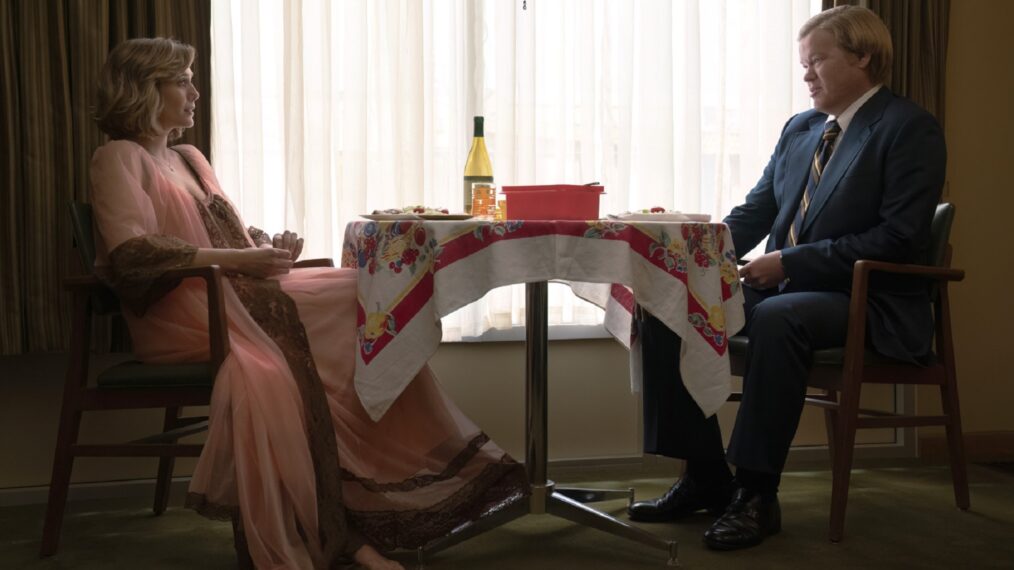
Director Lesli Linka Glatter and writer Kelley craft a story that feels both intimate and epic. The 1980s production design is impeccable: wood-paneled homes, big hair, period-accurate fashion, and a soundtrack that mixes contemporary hits with an atmospheric score. Cinematography captures the oppressive Texas heat and the claustrophobia of small-town secrets.
The series excels in its exploration of themes: the fragility of the suburban ideal, the double standards faced by women in the late 1970s/early 1980s, the psychology of self-defense claims, and how religion can both comfort and condemn. It asks uncomfortable questions: How well do we really know our neighbors? What happens when ordinary people are pushed to their breaking points? And can we ever truly understand the motivations behind such a horrific act?
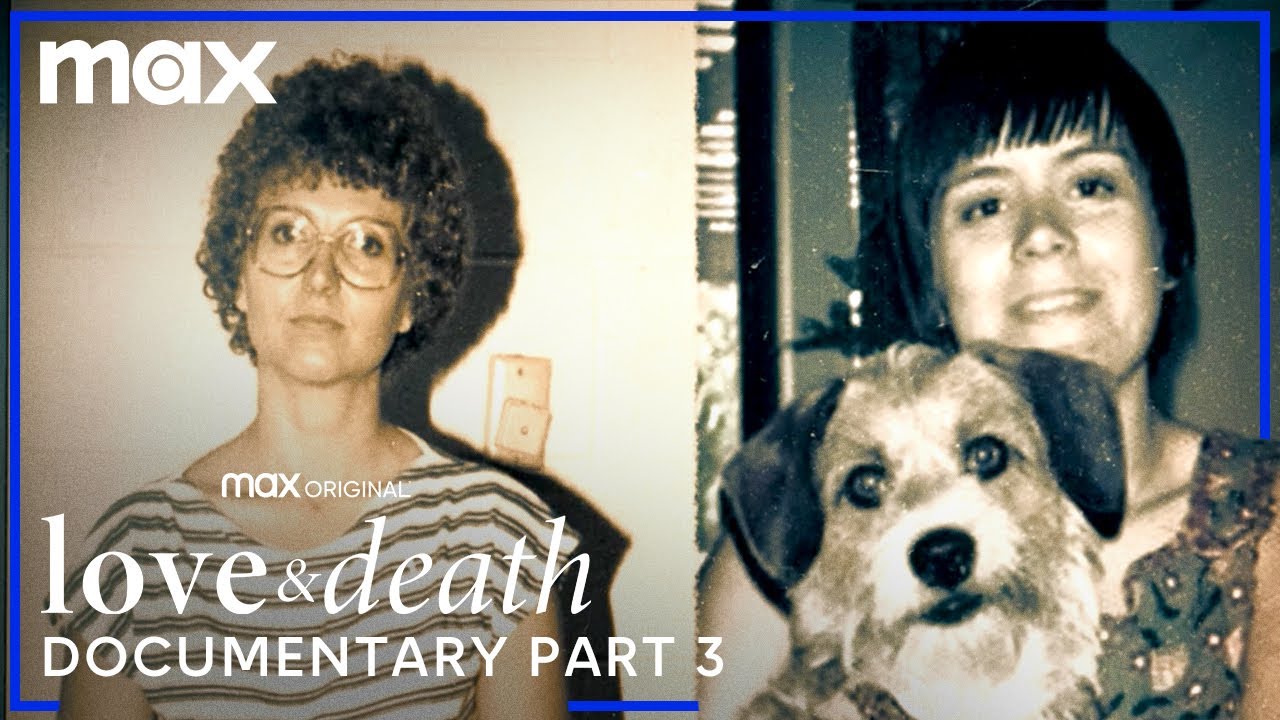
The Trial and the Aftermath: Emotional Payoff
Without spoiling key moments, the later episodes shift focus to the investigation and trial. The courtroom scenes are tense and thought-provoking, highlighting the media frenzy and public fascination with the case. Candy’s self-defense claim—that she acted in fear during a confrontation—remains one of the most debated aspects of the real story.
Olsen’s portrayal during the post-incident sequences is particularly masterful. The fourth episode, often cited by critics, is a tour-de-force as Candy navigates the immediate aftermath, blending dissociation, denial, and calculated composure. It’s television acting at its finest.
Critical Reception and Cultural Impact
Critics have been somewhat divided. Rotten Tomatoes scores reflect praise for the performances but criticism that it treads familiar true-crime ground. Yet audiences, especially true-crime enthusiasts, have embraced it wholeheartedly. Many call it superior to the competing Hulu series Candy (starring Jessica Biel) due to its deeper character work and slower, more atmospheric build.
In an era of endless true-crime content, Love & Death stands out for its empathy and refusal to simplify. It doesn’t glorify violence or turn Candy into a villain or hero—it presents her as a complex human being in an impossible situation. This nuance has sparked endless online debates about morality, justice, and the nature of evil in everyday people.
The series also benefits from strong ensemble work and production values that rival prestige dramas like Big Little Lies (which shares creator David E. Kelley). Its exploration of female rage, repressed sexuality, and the suffocating expectations of domestic life resonates powerfully today.
Why You Can’t Look Away
What makes Love & Death so compelling is its emotional honesty. It forces viewers to confront their own judgments. You watch the affair unfold and think, “This could happen to anyone.” You witness the buildup to tragedy and feel the weight of inevitability. And in the devastating final stretches, the series delivers an emotional gut-punch that lingers long after the credits roll.
Elizabeth Olsen and Jesse Plemons’ chemistry isn’t just “good”—it’s the kind that defines careers. Their scenes crackle with unspoken tension, desire, guilt, and eventual horror. The supporting cast, period authenticity, and thoughtful direction create a complete package that rewards patient viewers.
In the end, Love & Death is more than a true-crime story. It’s a meditation on love in all its messy, destructive forms—romantic love, self-love, the love of community, and the love that twists into something unrecognizable. It’s a hymn to the quiet desperation hiding in plain sight in American suburbs, and a warning about the darkness that can erupt when that desperation boils over.

If you haven’t watched it yet, clear your schedule. This is prestige television at its most addictive and unsettling. Elizabeth Olsen’s masterpiece will leave you questioning everything—and reaching for more tissues than you expected. The online debates are just beginning. Don’t miss out on experiencing the full emotional journey for yourself.
(Word count: approximately 2,050)
This review captures the haunting essence of a story that continues to fascinate decades later. Love & Death isn’t perfect, but in its best moments, it achieves something rare: genuine emotional power wrapped in a gripping true-crime package. Highly recommended for fans of character-driven drama and thoughtful explorations of real-life darkness. 


