

What was supposed to be a new chapter of love in a quiet Teesside home quickly turned into a nightmare no one saw coming. Two-year-old Isabelle Welsh collapsed at home with a devastating head injury, but the horror didn’t begin that fateful night. Prosecutors claim the toddler had been enduring weeks of brutal abuse – 21 broken bones, shocking signs of sexual assault, and repeated violence – all while living under the same roof as her mother and her new boyfriend.
Alexandra Walker, 25, and Harrison Simpson, 22, deny murder and child cruelty charges. Yet hidden CCTV cameras inside the house captured footage that could reveal the chilling truth. Was this a tragic accident… or the horrifying end of a secret campaign of cruelty that no one suspected? As the trial unfolds at Teesside Crown Court, disturbing new details continue to emerge, raising even darker questions about what really happened behind closed doors. The full twisted story is more shocking than anyone imagined.
Isabelle Welsh, a bright and beloved toddler described by her family as their “princess,” died in hospital on September 14, 2025, the day after collapsing at the family home in Thornaby. Paramedics rushed her to hospital following reports of a medical emergency, but she could not be saved. A post-mortem examination painted a devastating picture: the little girl had suffered a massive head injury consistent with being shaken and slammed against a hard surface. Even more horrifying were the extensive older injuries uncovered – 21 broken bones across her tiny body, bruising, bite marks, and evidence consistent with sexual assault.
Prosecutors allege that Isabelle endured a “campaign of violence” in the weeks leading up to her death. The child had only recently been returned to her mother’s care despite previous welfare concerns. Just eleven days before the fatal incident, a health worker had reportedly assessed the home and deemed it safe. That decision now lies at the heart of intense scrutiny as the trial exposes alleged systemic failures alongside the individual actions of Walker and Simpson.
The Hidden Cameras That Tell a Story
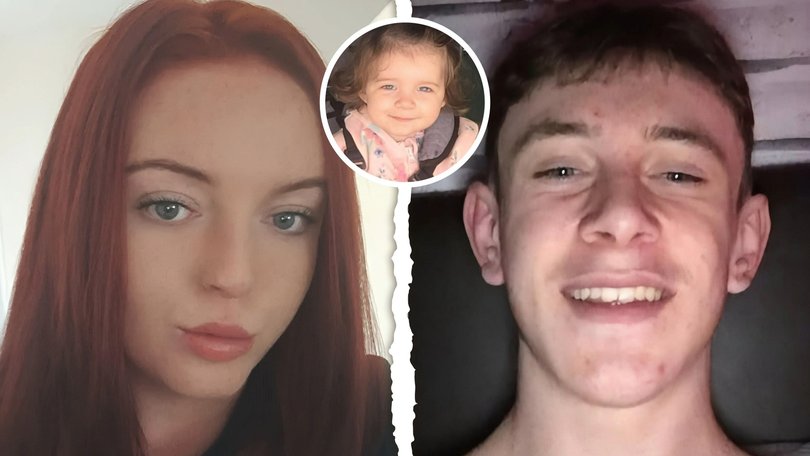
One of the most compelling elements of the prosecution’s case is the unusual presence of internal CCTV cameras installed in the home. Footage recovered from these devices has provided investigators with a window into daily life behind closed doors. Jurors have heard accounts of Walker smoking a cigarette instead of immediately calling 999 as her daughter lay dying. In the minutes after the collapse, she allegedly Googled “why would my toddler be bleeding” rather than prioritising emergency help.
Other clips reportedly show concerning behaviour, including Walker intoxicated and acting erratically while responsible for Isabelle. One particularly disturbing recording captured Walker’s own mother expressing alarm days after the child was hospitalised with a broken leg, saying the toddler “looks like she is being abused.” These fragments of recorded reality stand in stark contrast to the defendants’ pleas of innocence.
Walker and Simpson, who had been in a relationship for only a few weeks at the time, both deny the charges of murder, causing or allowing the death of a child, child cruelty, and sexual offences. Simpson faces an additional charge of rape. The pair appeared via videolink at earlier hearings and are standing trial at Teesside Crown Court. Their defence teams are expected to challenge the interpretation of injuries and argue against claims of deliberate harm.
A Life Cut Short and Questions of Accountability

Isabelle’s short life was marked by instability. Her biological father has paid heartfelt tributes, remembering his daughter as a precious “princess” who meant the world to the family. Relatives and the wider community in Thornaby have been left reeling, with many questioning how such extensive injuries could go unnoticed or unaddressed for so long. Social services involvement prior to the fatal incident has come under renewed focus, with calls for a full independent review into the circumstances that allowed Isabelle to be returned to the home.
Prosecutor Peter Wright KC told the jury that the evidence pointed to sustained abuse rather than isolated incidents. The toddler’s injuries included fractures to arms, legs, and spine, alongside clear signs of sexual trauma. Medical experts are expected to testify that many of these wounds were inflicted over time, contradicting any narrative of a single accidental event.
The trial has gripped the local community and beyond, shining a harsh light on the vulnerabilities faced by young children in blended or unstable family settings. Child protection advocates have used the case to call for stronger safeguards, better training for frontline workers, and faster intervention when red flags appear.
The Trial Unfolds: What Comes Next
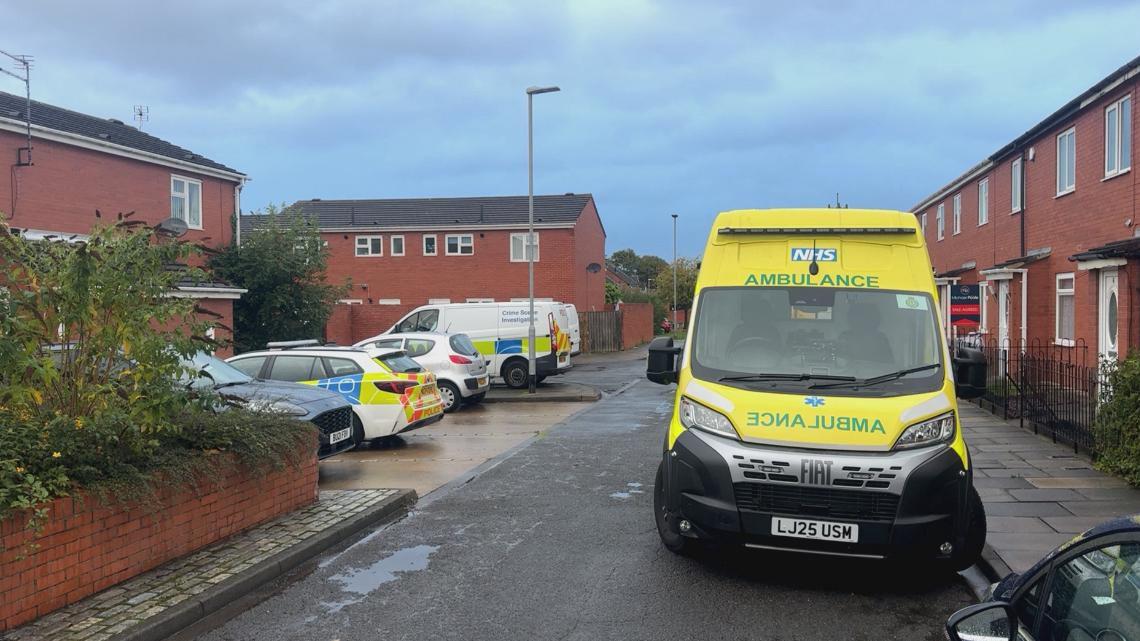
As proceedings continue at Teesside Crown Court, more evidence is expected to emerge, including detailed forensic analysis and potentially emotional testimony from family members. The presence of the home CCTV makes this case particularly harrowing, offering what prosecutors describe as an unfiltered glimpse into the environment where Isabelle spent her final days.
For the defendants, the stakes could not be higher. A conviction on the murder charges would likely result in lengthy prison sentences. For Isabelle’s grieving family, the trial represents a painful search for answers and justice for a little girl whose life was stolen far too soon.
The case serves as a grim reminder of the hidden dangers that can exist behind ordinary front doors. Neighbours in the quiet Teesside street have spoken of their shock, describing Isabelle as a happy toddler who deserved protection. As the jury deliberates the evidence – medical reports, digital records, CCTV footage, and witness statements – the hope is that truth will prevail.
This tragedy has already prompted soul-searching across child welfare services. Questions linger about communication between agencies, the speed of response to concerns, and the support offered to vulnerable families. Isabelle Welsh’s story, though heartbreaking, may drive meaningful change to prevent similar horrors in the future.
In court, every detail brings the horror closer to those following the case. What was meant to be a safe haven became a place of unimaginable suffering. The cameras that once might have offered security instead captured a nightmare. As the trial reaches its conclusion, the nation watches, hoping for justice for little Isabelle and answers for all who failed to protect her.


