
BBC Countryfile favourite Hamza Yassin has opened up about a chapter of his life that few viewers ever knew existed — a period when he was effectively homeless, living out of his car while trying to build a future in the remote Scottish Highlands.
In a candid reflection, the 2022 Strictly Come Dancing champion shared how a local resident “knew” he was sleeping in his vehicle long before he could admit it himself. Before finally settling into the rural Ardnamurchan peninsula — a place he now calls home — Hamza endured months of hardship that stood in stark contrast to the scenic landscapes he now films for the BBC.
For 17 years, the wildlife cameraman has lived in what he lovingly calls an “awesome little village” with barely 150 residents. Today he owns a cosy Hebrides-style cottage, but his early days in Scotland were far from idyllic.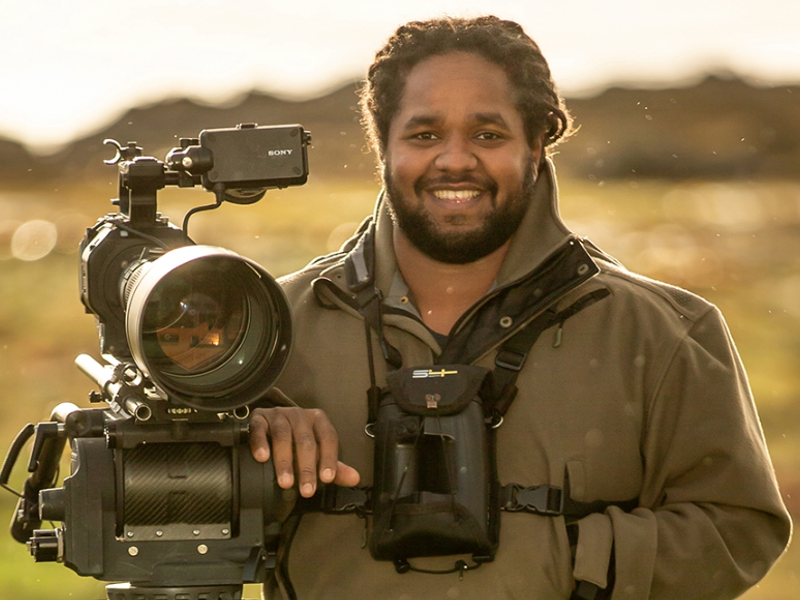
Hamza revealed that when he first arrived, he spent nine months living in his Vauxhall seven-seater, trying to remain unseen as he slept in the back. Later, he managed to move into a small caravan — but disaster struck when he suddenly found himself with no heating and no running water. Eventually, a second caravan was offered to him as a lifeline.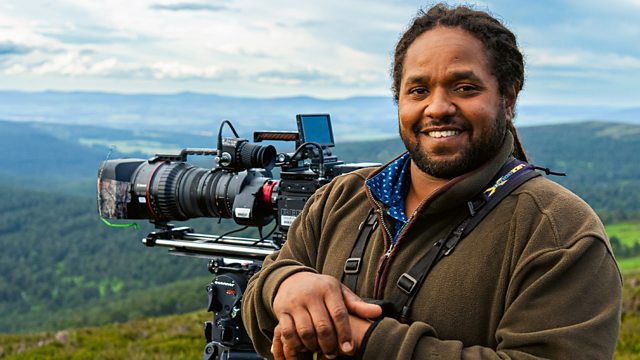
Speaking to The Times, Hamza admitted the biggest challenge wasn’t the cold, or the isolation — but trying not to get caught by the locals while asleep.
“I was waking up at 8am pretending I was getting on the ferry,” he recalled. “But they knew. They just didn’t question me. I didn’t even have a fridge.”
He used the local campsite for showers and said that although some people were curious about him, he never felt judged.
“I get asked whether it’s hard being a Black man in the countryside,” he explained. “But wildlife doesn’t care. People weren’t suspicious — just interested. They’d ask, ‘What are you doing here?’”
Earlier this year, Hamza publicly addressed his mental health, crediting nature as a crucial source of stability and peace. In a June episode of Countryfile, he spoke emotionally about how the outdoors clears his mind.
“I get asked all the time what it’s like being a wildlife cameraman,” he said. “To me, it’s having the world’s best job. I get to go on safari — and I get to bring home memories, both in my head and on a memory card.”
He continued:
“When I’m overwhelmed and rushing about, and my mind feels scrambled, I come to places like this. You see the wildlife… and your mental health just transforms.”
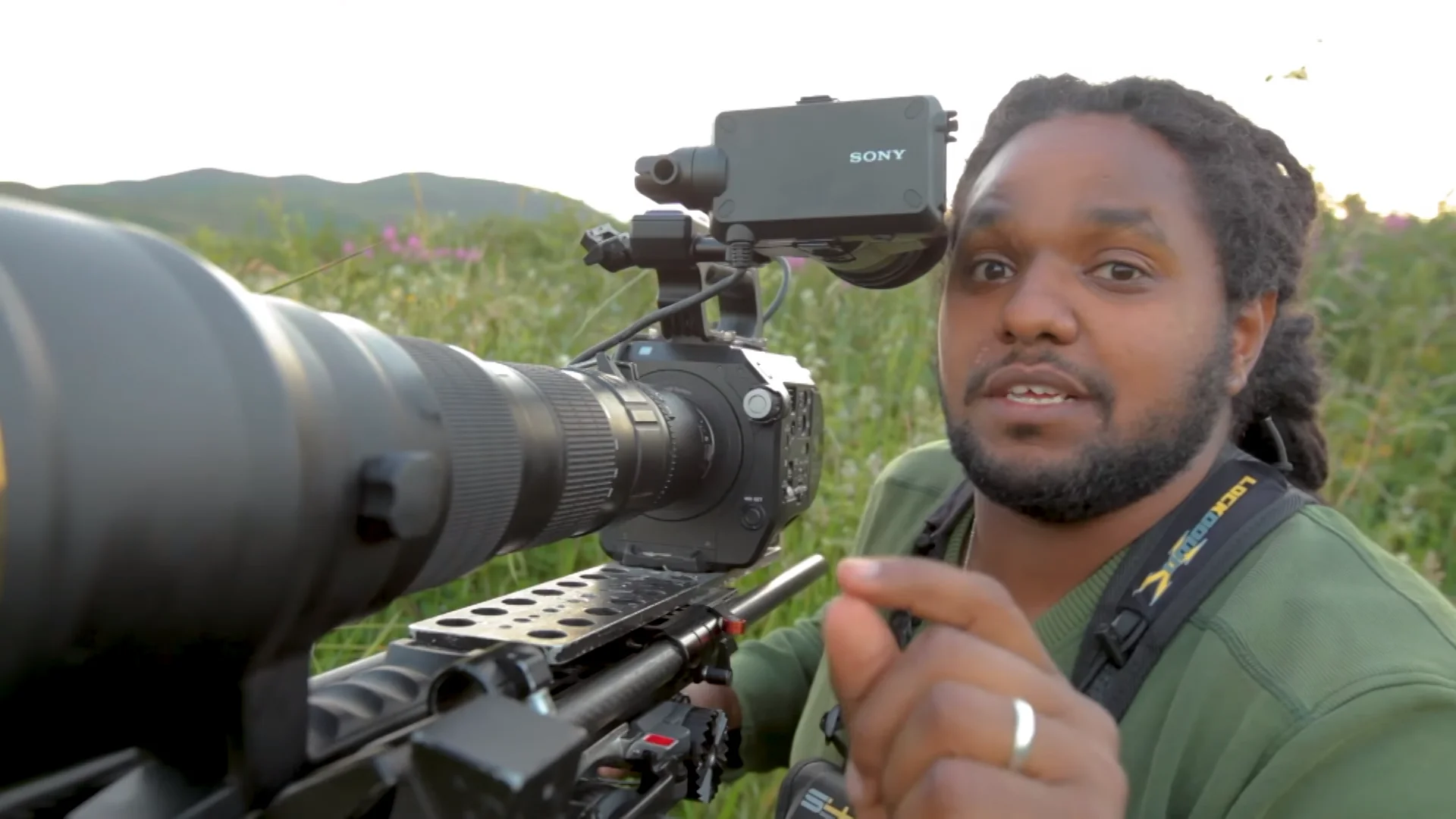
“It’s like someone has swept all the clutter out of my mind. I feel at peace. I feel like I’m meditating. Being in nature stops time — one moment it’s morning, the next the sun is setting, and I’ve had an absolutely fantastic day.”
Hamza’s story, once hidden, now paints a fuller picture of the man viewers admire: someone who fought his way through hardship, isolation, and uncertainty — and came out the other side as one of the BBC’s most beloved wildlife presenters.


