

Manchester city centre descended into scenes of unprecedented tension on a recent Saturday as hundreds of Britain First supporters marched in protest against the UK’s immigration policies. What began as a planned demonstration quickly spiralled into chaotic confrontations with counter-protesters, leaving streets filled with shouting crowds, police lines under pressure, and multiple arrests.
The event, one of several high-profile Britain First actions in the city this year including a February march that also saw clashes, highlighted deep divisions over migration, integration, and national identity. Organisers called it a “March for Remigration,” demanding stricter border controls, mass deportations of illegal migrants, and an end to what they describe as unchecked multiculturalism. Protesters waved Union Jacks and St George’s Crosses, chanting slogans like “Send them back” and criticising Prime Minister Keir Starmer’s Labour government.
The Spark That Ignited the Streets
Britain First, led by figures like Paul Golding, drew an estimated crowd of up to 1,000 supporters. They gathered near Manchester Piccadilly station before moving through the city centre. Many participants expressed frustration over record net migration figures, pressures on housing, the NHS, and cultural changes in working-class communities. Some carried banners reading “For England” and voiced concerns about integration failures, grooming gangs in past scandals, and the strain on public services.
Almost immediately, they encountered fierce opposition. A larger coalition of counter-protesters under the “Resist Britain First” banner—comprising anti-racism groups, local residents, trade unionists, and antifascist activists—assembled in Piccadilly Gardens. Estimates suggested similar or greater numbers on the opposing side, waving Palestinian flags, antiracist banners, and denouncing the march as fascist and divisive.
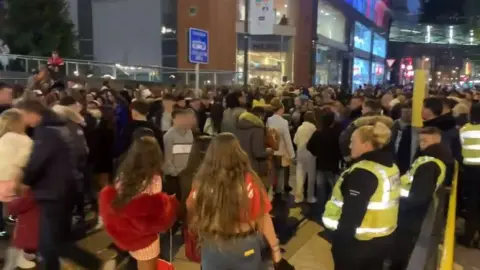
Tensions boiled over as the groups came into proximity. Eyewitness videos and reports described scuffles breaking out, with flagpoles used as makeshift weapons, pushing and shoving, and verbal abuse flying in both directions. Police in riot gear, supported by mounted officers and dogs, formed cordons to keep the factions apart. Greater Manchester Police (GMP) deployed hundreds of extra officers in what one senior commander described as an operation “bigger than Derby Day.”
Arrests followed swiftly. In one incident, officers moved in to detain individuals amid public order offences. Reports from various outlets confirmed at least three arrests on the day, with earlier February events seeing up to nine or eleven. Charges included assaulting emergency workers, breach of the peace, and public order violations. Trams were disrupted, shops boarded up in anticipation, and parts of the city centre felt like a no-go zone for ordinary residents.
One Britain First supporter, speaking anonymously, told reporters: “We’re here because ordinary British people have had enough. Our towns have changed beyond recognition, hotels are housing migrants while veterans sleep rough, and nothing changes. We want legal, controlled migration—not this open border madness.”
On the other side, counter-protester Ruby, a student, said the march terrified minority communities: “My grandparents came here as Windrush generation and contributed hugely. Now they feel unwelcome again. This isn’t protest—it’s intimidation.”
Police Struggle Amid Escalating Disorder

GMP Assistant Chief Constable Rick Jackson emphasised the force’s commitment to facilitating peaceful protest while protecting the public. A dispersal order was in place across the city centre, giving officers powers to move people on. Yet footage showed chaotic moments: officers sprayed irritant, horses pushing through crowds, and brief breakthroughs in police lines where protesters clashed directly.
Critics from the left accused police of protecting far-right marchers, while Britain First supporters claimed officers were biased against patriots. Independent observers noted the immense strain on resources, especially with other events coinciding. The chaos disrupted businesses, with some retailers reporting lost trade and fearful staff.
This was not an isolated event. Similar tensions have played out across the UK in 2025-2026 amid ongoing debates over small boat crossings, asylum hotels, and integration challenges. Manchester, with its proud multicultural history, has become a flashpoint. Previous protests saw racist attacks alleged against bystanders, while counter-demonstrations sometimes turned aggressive toward police.
The Shocking 7-Word Warning from Community Leaders
As the dust settled and arrests were processed, community leaders issued a stark message. Greater Manchester Mayor Andy Burnham and Manchester City Council Leader Cllr Bev Craig, alongside other figures, condemned division and urged unity. Their core warning, distilled in public statements, carried a chilling 7-word alert that has since reverberated: **“Hate will tear our city apart forever.”**
In a video and statements ahead of and after the march, Burnham declared: “There is no place in Greater Manchester for any form of racism or hate. There never has been and never will be. People have a right to demonstrate, but they do not have a right to travel to our city region and incite fear, intimidation and violence in our communities.”
Cllr Craig added: “Racism and hatred have no place here. We understand the deep distress caused… Manchester celebrates its traditions by coming together.” Posters urging residents to display messages of unity appeared across the city.
This warning underscores fears that repeated clashes could erode social cohesion in one of Britain’s most diverse cities. Manchester has long branded itself as welcoming, yet polls and anecdotal evidence show growing resident concerns over rapid demographic shifts, with some areas seeing parallel communities and strained resources. Net migration to the UK hit record highs in recent years, fuelling debates that mainstream parties have struggled to address.
Broader Context: A Nation at a Crossroads
The Manchester events reflect wider UK discontent. Britain First and similar groups tap into anxieties over grooming scandals in Rotherham and elsewhere, terror incidents, and cultural erosion. Official statistics show foreign-born residents at historic highs, with asylum claims backlog and small boat arrivals persisting despite pledges.
Critics of the protests argue they stoke Islamophobia and racism, pointing to Britain First’s history and provocative chants. Supporters counter that ignoring public concerns risks worse unrest, citing past riots in other cities.
Local businesses and moderate voices worry about reputational damage. One shop owner near Piccadilly said: “Tourists and workers avoid the centre on these days. We need dialogue, not street battles.”
What Happens Next?
Greater Manchester Police vowed to review tactics and work with communities. Calls for bans on certain groups or stricter protest laws grow louder, while counter-activists promise continued resistance. The government faces pressure to deliver on migration controls without alienating its base.
As night fell on the chaotic day, the streets quietened—but the underlying tensions remain explosive. Manchester’s message is clear: without addressing root causes of division, from policy failures to integration challenges, more chaos looms. The 7-word warning hangs heavy: hate unchecked could fracture communities beyond repair.
This episode serves as a microcosm of Britain’s soul-searching. Whether leaders heed the alarm or allow polarisation to deepen may define the nation’s future. For now, Manchester stands as a city on edge, its vibrant diversity tested by raw democratic anger and ideological clash.


