

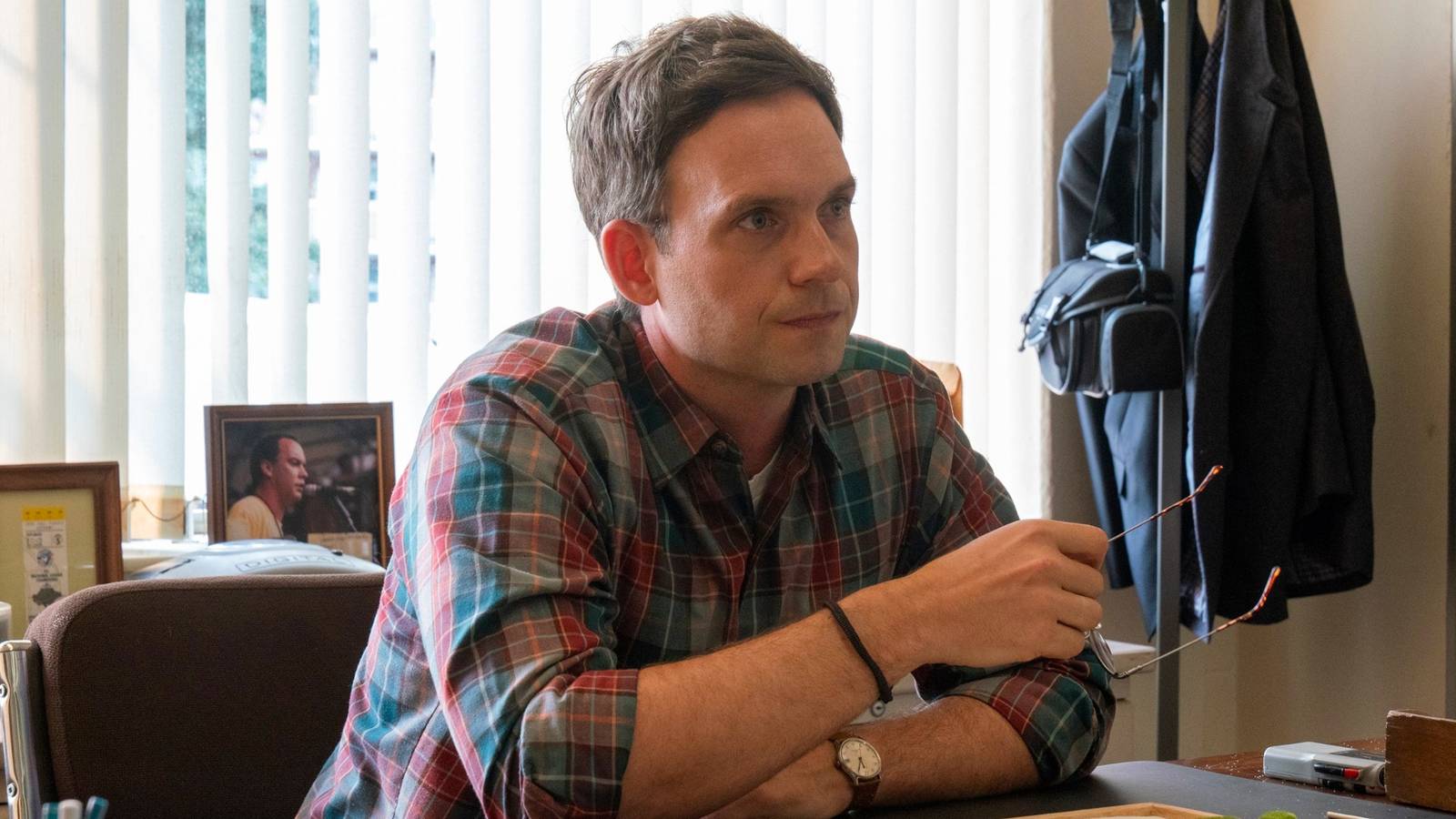
At first glance, Netflix’s Wayward looks like your standard compulsive crime binge: some teens disappear, a cop investigates, secrets unravel. But peel back the layers, and it’s way creepier. Toni Collette isn’t just intimidating — she’s doing inexplicable things with toad venom while the small town of Tall Pines simmers with cultist behavior. Still, as weird, sinister, and slightly unhinged as the show’s eight-episode plot is, it barely scratches the surface of the terrifying real-life tragedies on which it’s based. Beneath Wayward’s wild central mystery is a sharply smart take-down of an entire industry whose decades-long abuses are only now beginning to be exposed. We’re talking about the world of “troubled teen” programs.
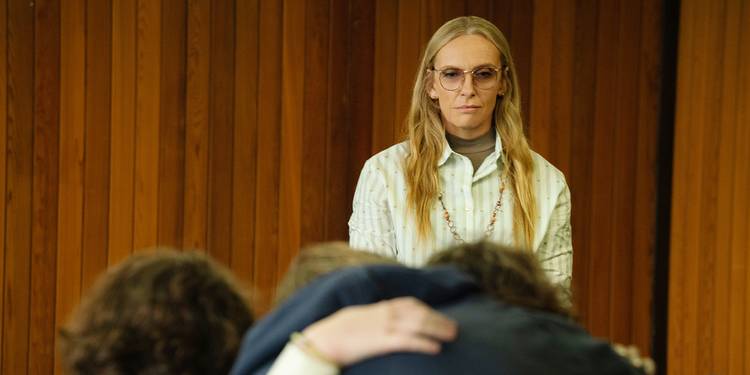
These aren’t just off-the-map schools with bad cafeteria food and negligent camp counselors; they’re institutions with a documented history of abuse, neglect, and fatal outcomes, all dressed up as “behavioral reform.” The show makes a point to never shy away from the horror lurking behind their closed doors, and thanks to creator and star Mae Martin’s own experiences, even the most unbelievable elements carry a hint of authenticity. Add Collette’s barely-contained menace and a cast of wide-eyed teens navigating moral minefields, and you’ve got a thriller that crawls its way under your skin, using real life to inspire its nightmarish horrors.
The Troubled Teen Schools Behind ‘Wayward’s’ Darkest Storylines
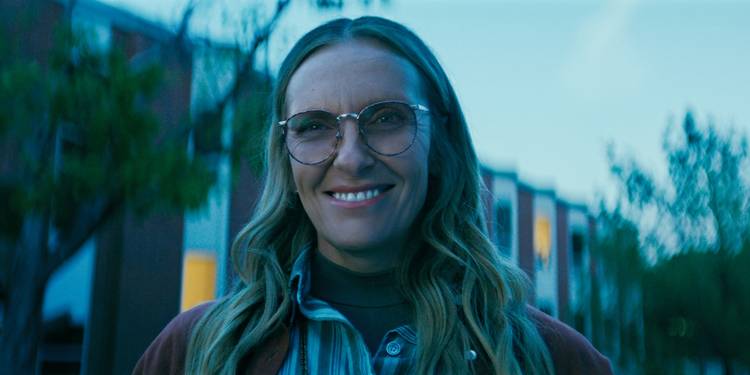
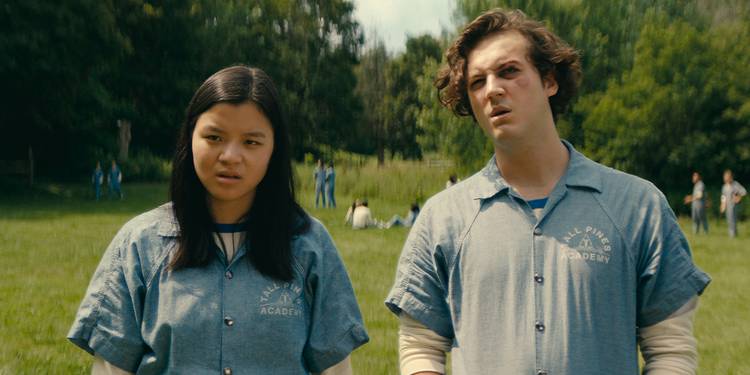
Now, yes, Wayward’s Hawthorne Academy is special. It’s got Collette doing her best Charles Manson impersonation as a tyrannical headmistress with mommy issues, maladjusted counselors who’ve been lobotomized so that they can better torture their students, and strange dietary restrictions involving brown foods. It’s ridiculous, it’s over-the-top — and the scariest part is how much of it feels borrowed from reality. These kinds of programs actually exist, and their rap sheets are horrifying. Trinity Teen Solutions, a Wyoming “residential treatment center,” recently paid out a multi-million-dollar settlement after former students described being forced into grueling labor and punishment disguised as therapy. In Utah, at least seven teens have died at treatment facilities since 2021, some from preventable illnesses, others while under watch for suicidal thoughts, all tragedies that shine a light on how easily vulnerable kids slip through the cracks once they’re inside these institutions.
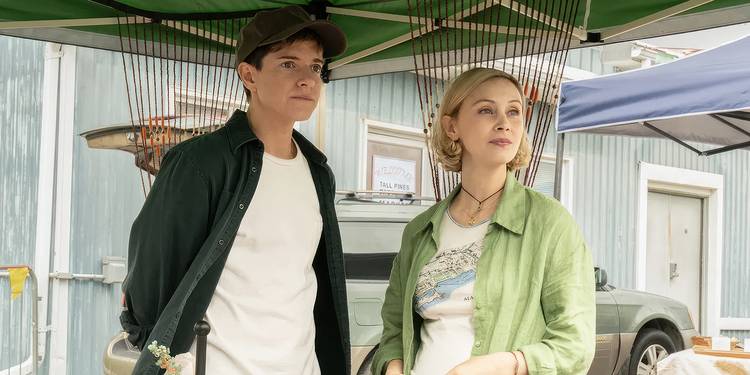
And still, the machine keeps humming. Across the U.S., dozens of schools and “wilderness programs” continue to operate under warm-and-fuzzy labels like “therapy” or “behavioral intervention,” while behind the marketing gloss lurk tactics that sound straight out of a cult manual: public shaming, forced isolation, and psychological pressure. Many of these practices trace back to 1970s self-help experiments like Synanon, whose methods of control and indoctrination became a blueprint for today’s teen rehab industry.
Documentaries such as Netflix’s The Program: Cons, Cults, and Kidnapping, HBO’s Teen Torture Inc., and Paris Hilton’s Hell Camp underline the point: this isn’t history. It’s happening now, hiding in plain sight. Survivors tell stories of being cut off from their families, coerced into confessions, and “treated” with therapies that feel more like brainwashing than healing — all while parents are reassured it’s for their kids’ own good. Wayward taps into that reality, dramatizing the gaslighting and control so that the horror isn’t just read about in headlines and court filings — it’s felt.
Mae Martin’s Personal History Fuels ‘Wayward’s Authentic Horror

Martin didn’t just dream up Hawthorne Academy out of thin air, either — they pulled from their own adolescence and a friend’s stint in a real “troubled teen” program. “I was a wayward teen in the early 2000s, and my best friend Nicole was sent to one of these ‘troubled teen’ institutes when she was 16,” Martin told Netflix Tudum. “When she came back and shared her stories, I became pretty obsessed with the industry.” That personal history gives the series its uncanny realism, grounding the surreal paranoia to tease out even more goosebumps. You can feel it in the details: the way authority slowly warps into abuse, how trust gets weaponized, how a supposedly safe space becomes its own kind of prison.
And the show knows its history, too. In the 1970s, Synanon was pioneering “games” that forced people to hurl brutal judgments at each other before reconciling — a practice echoed in Wayward’s own punishing group sessions. Abbie’s abduction in the middle of the night recalls Hilton’s testimony about being yanked from her bedroom and shipped off to Provo Canyon, an ordeal she’s described as formative in the worst way. And it’s not just Hilton’s story: Colson Whitehead’s The Nickel Boys, adapted into a film last year, revisited the horrors of Florida’s Dozier School, where generations of children endured abuse under the guise of reform. Wayward distills those real-life echoes into a fictional campus that feels just a shade removed from reality.
What makes it compelling is that it never leans too far either way, balancing the more surreal with the factual, keeping things just entertaining enough to avoid the whole thing feeling like a homework assignment. The series is a Lynchian mix that’s equal parts mystery, horror, and psychological drama whose bingeability comes from its pacing and characters, not just its critique. Where recent documentaries have exposed this world with journalistic detail, Wayward sneaks that same cultural reckoning into a thriller package, making the past feel all too present.


