
INSIDE THE CBS MELTDOWN: How a “60 Minutes” Civil War and Scott Pelley’s Editorial Stance Pushed America’s Powerful Newsroom to the Brink
CBS News’ crown jewel, 60 Minutes, is facing an unprecedented internal crisis as veteran correspondent Scott Pelley and corporate leadership clash over editorial independence, political scrutiny, and the future of investigative journalism.
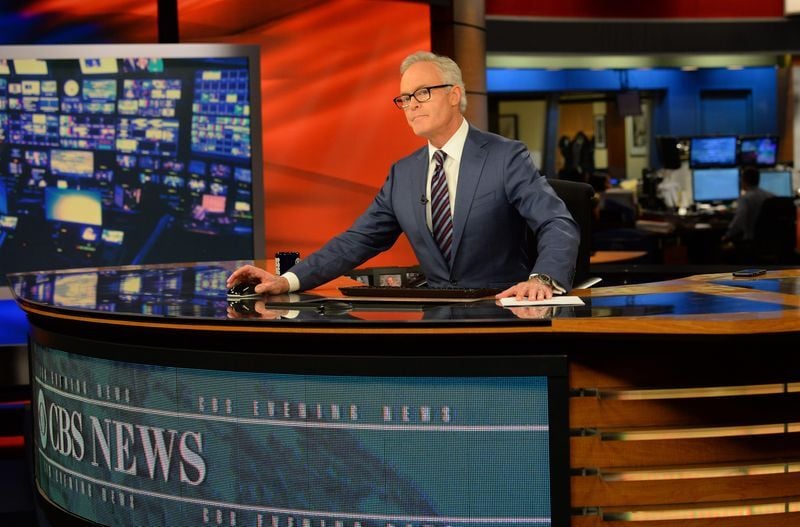
NEW YORK — For over half a century, CBS News’ 60 Minutes has stood as the gold standard of American broadcast journalism—an untouchable institution drawing millions of viewers with its hard-hitting exposes and uncompromising interviews. Today, however, the stopwatch is ticking on a different kind of drama. Following an explosive report by The Wall Street Journal, the flagship program has been plunged into a full-blown internal meltdown, thrusting legendary correspondent Scott Pelley into the center of a fierce battle over the show’s soul.
The Genesis of a Newsroom Split
According to industry insiders and internal corporate accounts, the friction within the 60 Minutes division has been simmering for months, fueled by a perfect storm of intense political pressure, corporate restructuring at parent company Paramount, and shifting editorial mandates.
The crisis reached a boiling point following intense public and political scrutiny over the editing choices of high-profile political segments—most notably the network’s high-stakes election-season interviews. What began as external partisan attacks quickly metastasized into a bitter internal civil war. Staffers became deeply divided over how the news division’s leadership, spearheaded by CBS News chief Wendy McMahon and 60 Minutes Executive Producer Bill Owens, handled the fallout and defended the broadcast’s journalistic integrity.
Scott Pelley: The Standard-Bearer in the Eye of the Storm
At the heart of this media tempest is Scott Pelley. A veteran of CBS News since 1989 and a former anchor of the CBS Evening News, Pelley has long been viewed as the moral compass of the newsroom. As news of the internal rift spilled into the public eye, Pelley’s name surged across media forums and Google News trends, reflecting his pivotal role in the ongoing dispute.
Sources close to the network indicate that Pelley has emerged as a vocal defender of traditional journalistic standards, reportedly pushing back against what some within the newsroom perceive as corporate overreach and a defensive management posture.
“Scott represents the old-school, uncompromising DNA of CBS News,” a network insider stated anonymously. “When someone of his stature raises questions about editorial direction and protecting the independence of the press from corporate or political anxiety, everyone in the industry listens.”
A Threat to Press Independence
The Wall Street Journal exposé, titled “The Meltdown Inside ’60 Minutes’,” lifted the veil on a toxic atmosphere where producers and correspondents feel caught between two fires: the need to maintain absolute journalistic objectivity and the corporate pressure to mitigate PR disasters in a hyper-polarized media landscape.
The debate currently gripping CBS revolves around core tenets of the fourth estate:
-
Editorial Transparencies: Demands from both internal factions and external critics for greater clarity on how interviews are packaged and edited.
-
Corporate Autonomy: The growing fear among veteran journalists that non-journalistic corporate executives are increasingly dictating how newsrooms respond to controversy.
What Lies Ahead for the Stopwatch?
This internal warfare comes at a precarious moment for CBS News, which is navigating broader anxieties regarding corporate layoffs, budget cuts, and a rapidly changing linear television market.
As emergency meetings and tense internal dialogues continue behind closed doors in New York, the industry is watching closely. The resolution of this crisis will not only dictate the fate of 60 Minutes and its star anchors like Scott Pelley, but could also set a powerful precedent for the boundaries of editorial independence across the entire American network television landscape.


