
Protocol vs. Humanity: The Polarizing National Debate Rekindled by the Henry Nowak Tragedy
The United Kingdom is currently locked in one of its most intense cultural and political standoffs of 2026. The tragic passing of 18-year-old student Henry Nowak has rapidly escalated from a localized criminal case into a massive national flashpoint. At the center of this storm is a fierce confrontation between institutional rigidity and basic human common sense, turning a systemic policing issue into a litmus test for the country’s modern political landscape.
The facts of the incident have left the British public deeply unsettled. Following an altercation in which Nowak was fatally wounded by Vikram Digua, responding officers from Hampshire Police reportedly handcuffed the dying teenager based on a false verbal allegation of racial abuse made by the attacker. While institutional defenses argue that officers were strictly following mandatory bias-assessment protocols, right-leaning media platforms, led by fiery panel discussions on GB News, have launched a blistering counter-offensive. Prominent commentators like Kelvin McKenzie argue that a hyper-fixation on diversity directives has left law enforcement “ideologically captured,” rendering them unable to prioritize immediate, life-saving medical aid over bureaucratic box-checking.
This case cuts straight to the heart of the current socio-political divide under the Labour government. Critics are demanding immediate political accountability, questioning the perceived silence from senior leadership and demanding the public release of the officers’ bodycam footage. The central question being asked on digital platforms and newsrooms alike is profound: Has the modern obsession with administrative compliance compromised a frontline officer’s ability to act on pure human empathy and situational reality?
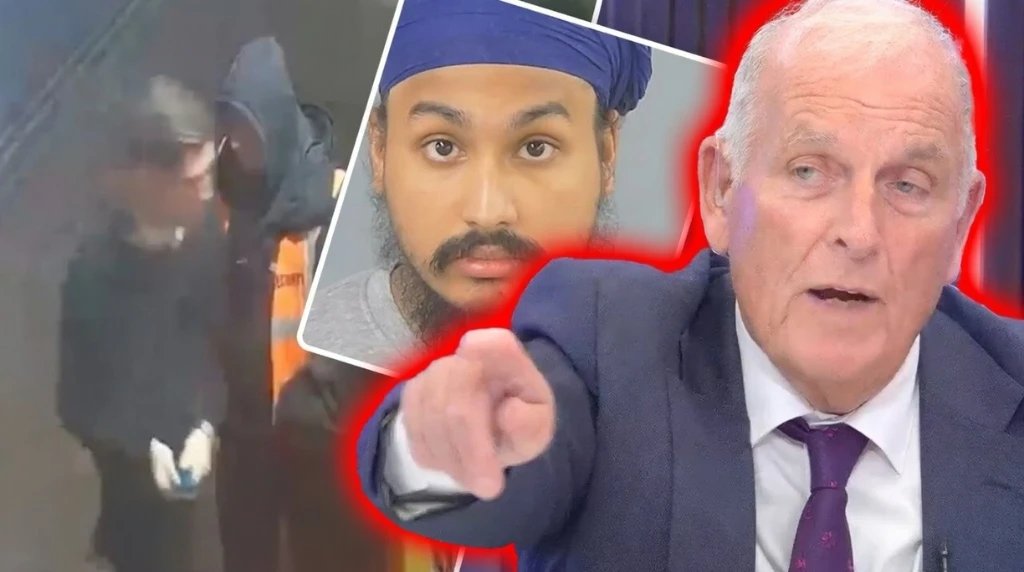
With the Independent Office for Police Conduct (IOPC) now launching a formal investigation, the pressure on law enforcement leadership has reached a fever pitch. This tragedy serves as a stark warning for modern institutions worldwide. When procedural guidelines become so complex that they override basic human instinct and immediate crisis triage, the system fails the very citizens it is sworn to protect. The Nowak case is no longer just about a single tragic night in Hampshire; it is a profound societal debate about recovering common sense in an era of institutional over-correction.


