

LONDON — The government has officially published a draft bill to outlaw LGBTQ+ conversion practices, marking a pivotal legislative milestone aimed at ending the widely discredited custom. The proposed legislation fulfills a key political commitment to criminalize attempts to alter an individual’s sexual orientation or gender identity through coercive or abusive means.
Criminalizing Abusive Practices
So-called conversion “therapies” encompass a range of discredited methods intended to change a person’s sexuality or gender identity, often performed against their will. According to medical and psychological consensus, these practices carry no scientific validity. They can range from subtle pressures, such as targeted prayer sessions, to extreme forms of abuse, including non-consensual exorcisms and physical violence.
Under the newly unveiled draft bill, which would apply strictly to England and Wales, it would become a criminal offense to:
-
Carry out abusive conversion practices that cause serious harm, alarm, or distress to the victim.
-
Encourage or assist an abusive conversion practice performed outside England and Wales.
Individuals found guilty under the proposed law could face severe penalties, including up to five years in prison, an unlimited fine, or both.
Saba Ali, Chair of the Ban Conversion Practices Coalition, welcomed the publication of the bill, calling it a “significant and welcome step forward,” though noting that the legislation was already “long overdue.”
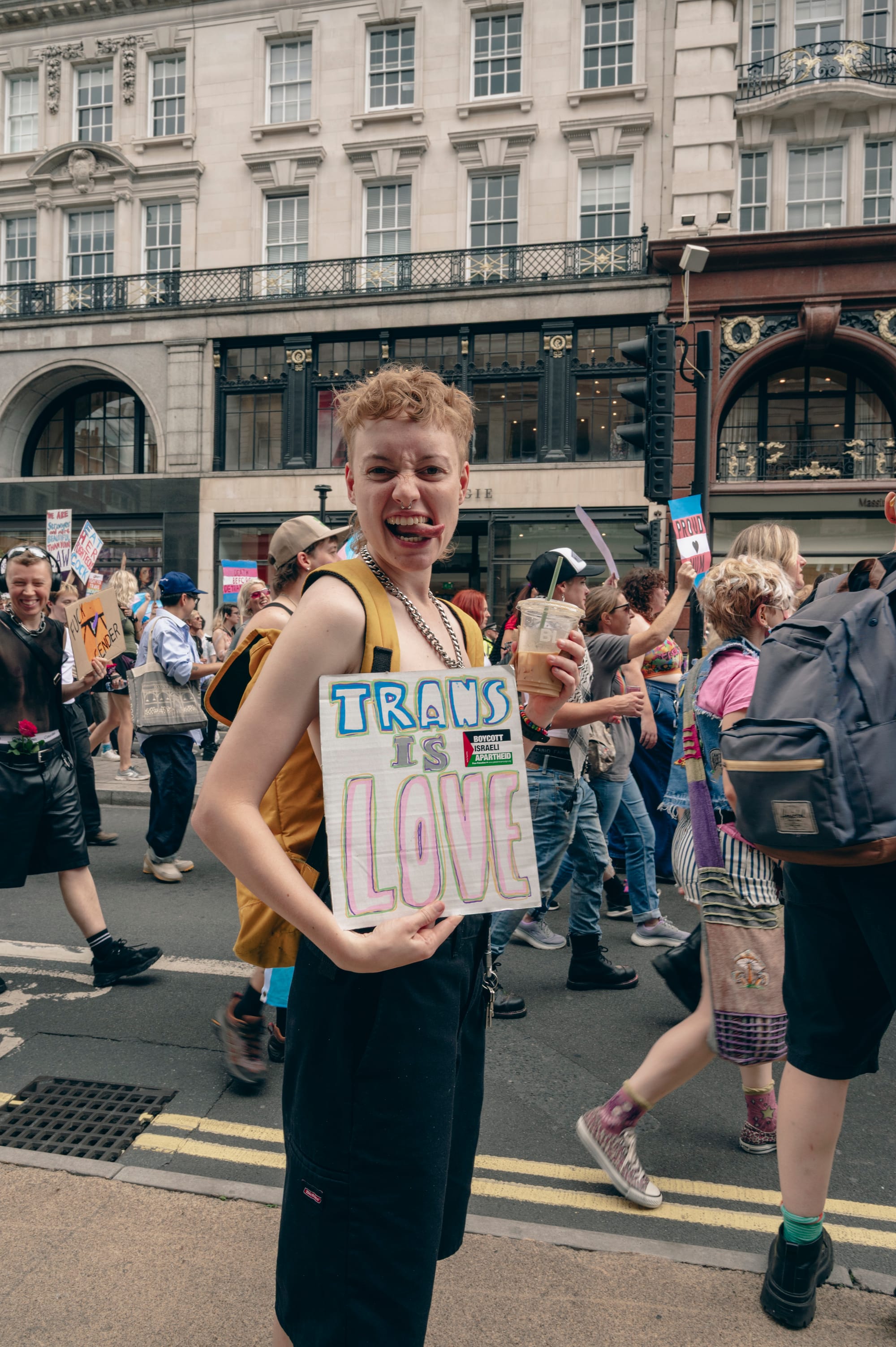
Statistical Background and Political Context
The legislative push follows years of statistical evidence highlighting the prevalence of these practices within the UK. A comprehensive 2018 government survey revealed that 7% of LGBT individuals and 13% of transgender people in the UK had either been offered or undergone conversion practices.
The data indicated the practice was notably pronounced within specific demographics: 32% of transgender Muslim respondents and 10% of cisgender LGBT Muslim respondents reported having experienced a conversion process.
The path to the draft bill has faced a lengthy political trajectory. A comprehensive ban was first proposed under Theresa May’s Conservative administration. However, the legislation faced repeated delays under successive governments before ultimately being omitted from the King’s Speech during Rishi Sunak’s premiership.
The current framework aligns with the Labour Party’s 2024 manifesto pledge, which committed to delivering a “full trans-inclusive ban on conversion practices.” The government emphasized that the draft legislation is carefully calibrated to protect the fundamental freedom for individuals to explore their sexual orientation and gender identity through consensual dialogue and counseling.

A Victory for Campaigners
The publication of the draft bill represents a hard-fought victory for a broad network of advocates who have lobbied successive administrations for nearly a decade. Saba Ali, Chair of the Ban Conversion Practices Coalition, emphasized the collective effort required to reach this stage.
“This moment belongs to a movement,” Ali said. “Over eighty coalition organisations, countless survivors, clinicians, faith leaders, Parliamentarians and campaigners have refused to let this be forgotten. Today proves what we achieve when we stand together.”
Despite the celebration, the decision to publish the legislation as a draft bill rather than introducing it directly to Parliament means the statutory ban will take longer to take effect. The government defended this approach, stating that a wider consultation is necessary to “build a genuine consensus around a ban” and ensure the legal mechanisms are watertight.
Legal Scope and Healthcare Exemptions
To balance public protection with individual liberties, the draft bill establishes a “high bar for criminality.” The scope of the law is strictly confined to acts that are demonstrably abusive, explicitly aimed at changing an individual’s identity, and result in real, quantifiable harm to the victim.
Crucially, the text contains specific exemptions designed to safeguard legitimate professional practices. These exemptions ensure that clinicians, counselors, and faith leaders can continue to facilitate:
-
Legitimate, evidence-based healthcare and psychological support.
-
Free, open, and non-coercive conversations regarding an individual’s sexuality or transgender identity.
Political Pressure for Swift Passage
While the government opts for a cautious legislative path, some lawmakers are urging rapid progress. Labour MP Kate Osborne previously indicated to Sky News that she believed ministers had “every intention of pushing this through as soon as possible,” reflecting a wider desire among backbenchers to minimize further delays.
The draft bill is now open to feedback from clinicians, legal experts, faith groups, and survivors. Once the consultation period concludes, the amended text will be introduced to Parliament to begin the formal process of becoming law across England and Wales.


