
Prince William’s financial life remains one of the most closely guarded secrets, as he is a prominent member of the British Royal Family. Despite the high level of confidentiality surrounding his finances, new figures have been released, shedding light on the extravagant nature of his income and expenditures. The Prince of Wales, as the future King, pays an annual tax bill of £7 million, placing him in the top 0.002% of UK taxpayers. This figure offers a glimpse into the considerable wealth he manages through the Duchy of Cornwall, a private estate that generates a profit of £22 million per year. The vast fortune of Prince William stems primarily from this estate, which is valued at around £1.1 billion.
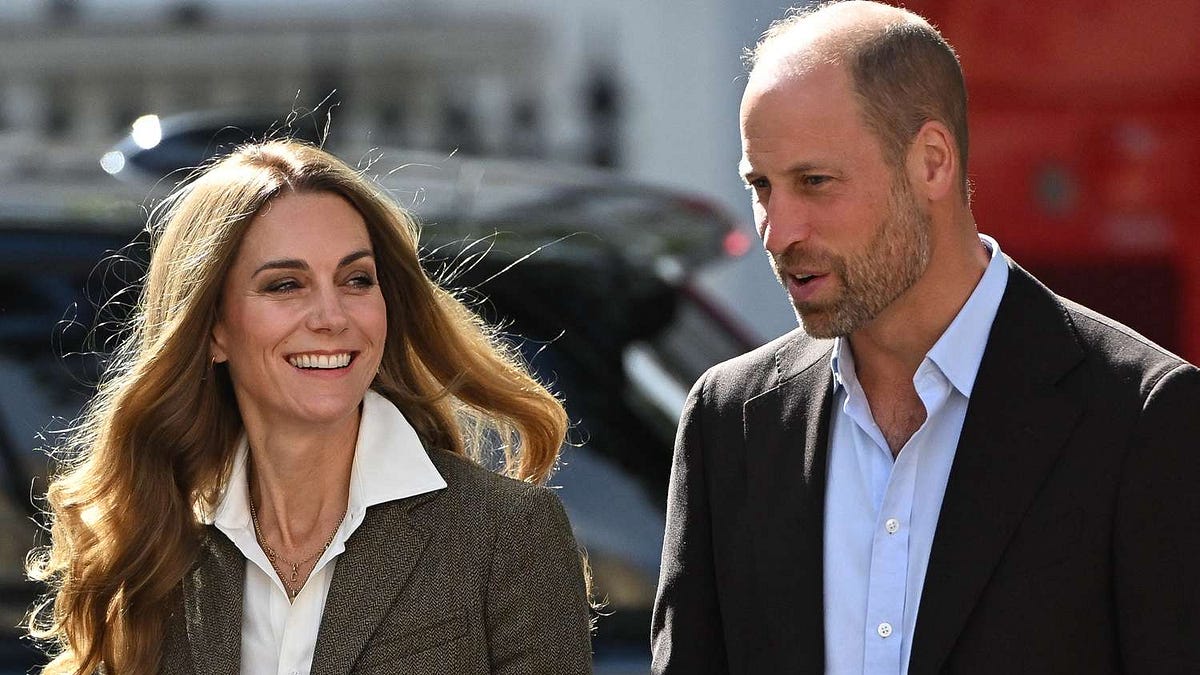
The Duchy of Cornwall serves not only as a financial asset but also as a resource that funds both the Prince’s personal and charitable activities. Much of the income from the Duchy is directed towards maintaining royal residences and supporting royal duties. However, some expenditures, such as clothing for his wife, Kate, and expenses related to royal engagements, are written off as tax-deductible. Despite this, the specific details about how Prince William manages his personal finances, such as how he funds holidays or purchases luxury items, have been kept under wraps. However, it is believed that the Prince has inherited significant wealth from his late mother, Princess Diana, as well as from the late Queen Elizabeth II.
While William has chosen not to disclose the full details of his financial contributions, a recent report from the Sunday Times highlighted his substantial £7 million income tax bill. This amount is indicative of the scale of his wealth and suggests a certain pressure on the Prince to be more transparent about his finances. Royal author Norman Baker has commented that the Duchy of Cornwall has long been a profitable venture, which he likens to a “royal fruit machine.” While Prince Charles, when he held the title of Prince of Wales, used to publicly declare the amount of tax he had paid, Prince William discontinued this practice upon taking on the role.
As heir to the throne, William’s financial decisions have a direct impact on the royal family’s reputation and its financial standing. Although William has made some changes to the structure of the Duchy of Cornwall, including appointing investment bankers and property developers to its board, it is still unclear how much of this wealth is allocated to the Prince’s private use. Some analysts, like Norman Baker, have suggested that a portion of this wealth is used to maintain his property portfolio, which includes several luxurious residences, as well as to cover expenses for personal items like clothing.
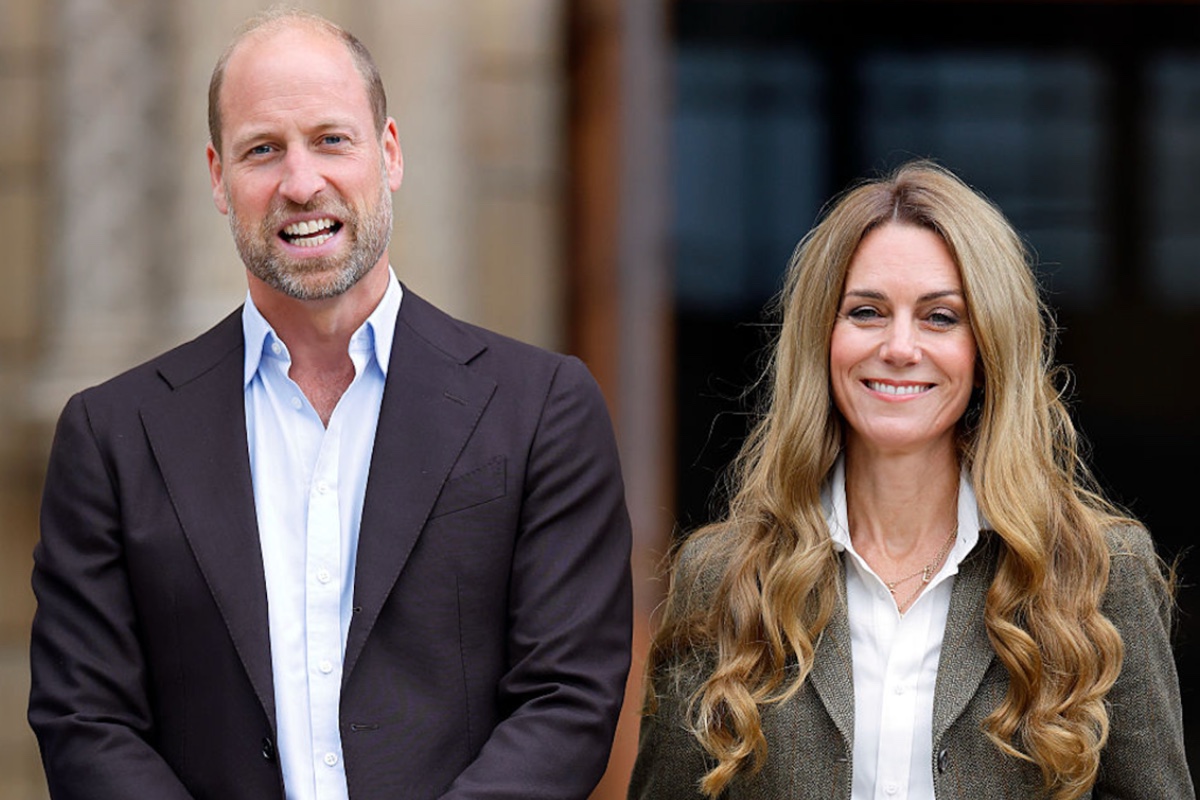
The Prince’s spending habits have not gone unnoticed, as reports have chronicled his lavish lifestyle and extravagant indulgences. Prince William and Kate, for instance, enjoy luxury holidays at exclusive destinations. In early 2024, the couple was spotted vacationing in Courchevel, a French Alpine resort known for its high-end amenities and celebrity clientele. This location, which boasts Michelin-starred restaurants and designer shopping outlets, offers an insight into the Prince’s taste for luxury. The royal family also spent time in the Greek island of Kefalonia on the £20 million yacht Lady Beatrice in August 2024, while previous holidays have included stays in Mustique, where the couple rented a villa costing £27,000 a week.
It’s not just holidays that come with hefty price tags. Prince William’s children, Prince George, Princess Charlotte, and Prince Louis, attend prestigious private schools. For example, Prince George’s school, Lambrook School in Berkshire, costs £10,669 per term, and with reports suggesting that George may attend Eton in the future, the fees for his education could rise significantly.
The Prince is also known for his love of collecting luxury vehicles, including motorcycles. Although he no longer rides motorbikes, he has shown interest in electric scooters, having been spotted riding a $6,000 Mii2 YOO2 scooter. These interests, along with other personal hobbies like polo, suggest a high level of spending on leisure activities.

In addition to his hobbies and extravagant vacations, Prince William is also partial to fine dining, often shopping at high-end delis and enjoying meals at gourmet restaurants. For example, he has been spotted shopping at the Windsor Farm Shop, which sells products from the royal estate, and enjoys Sunday roasts at the Dabbling Duck in Norfolk, where the meals are priced at around £20. Such choices indicate the Prince’s inclination towards a refined lifestyle, supported by his substantial wealth.
His passion for polo has been well-documented, as he regularly participates in charity polo matches. His love for the sport has extended to his children, as it was reported that William and Kate purchased ponies for George and Charlotte during the pandemic. While the cost of a pony varies, it is estimated that a safe and well-trained pony for a child can cost anywhere from £3,000 to £5,000. Furthermore, the Prince’s devotion to football is equally notable, as he is an avid fan of Aston Villa and regularly attends matches, with VIP season tickets costing up to £5,000.
Finally, Prince William’s personal gift-giving has not gone unnoticed. His high-end watch collection, including an Omega Seamaster Professional worth £5,600, is well known. The watch, a gift from his late mother, Princess Diana, is one of the most iconic pieces in his collection. William is also known for his generosity toward his wife, Kate, gifting her luxurious items such as a Cartier Balloon Bleu watch worth around £5,900 and a stack of platinum eternity rings worth $500,000.
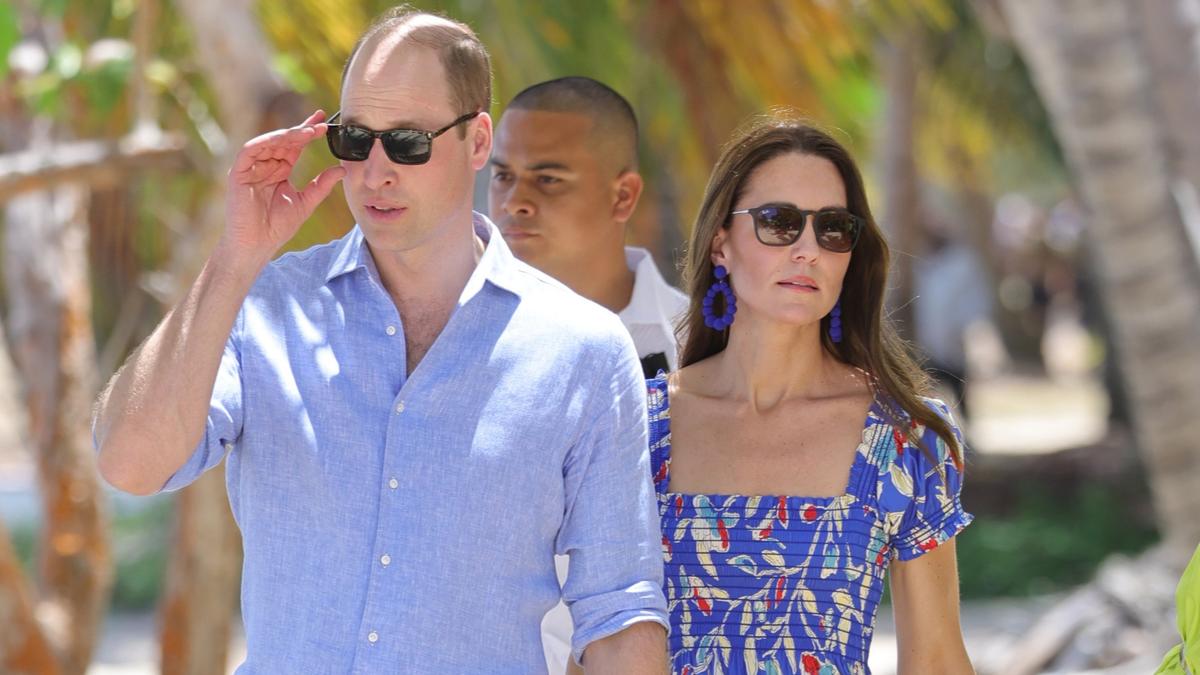
Though the exact details of Prince William’s finances remain a mystery, his lifestyle offers insight into the immense wealth he controls. His spending on luxury holidays, private education for his children, high-end vehicles, and lavish gifts demonstrates the enormous financial resources at his disposal. Even as the future King of the United Kingdom, William’s finances remain an intricate web of private income, inheritance, and royal estate profits, with a few well-guarded secrets still hidden from the public eye.


